
What Adds the Most Value to a Home During the Summer in Hudson and the Twin Cities?
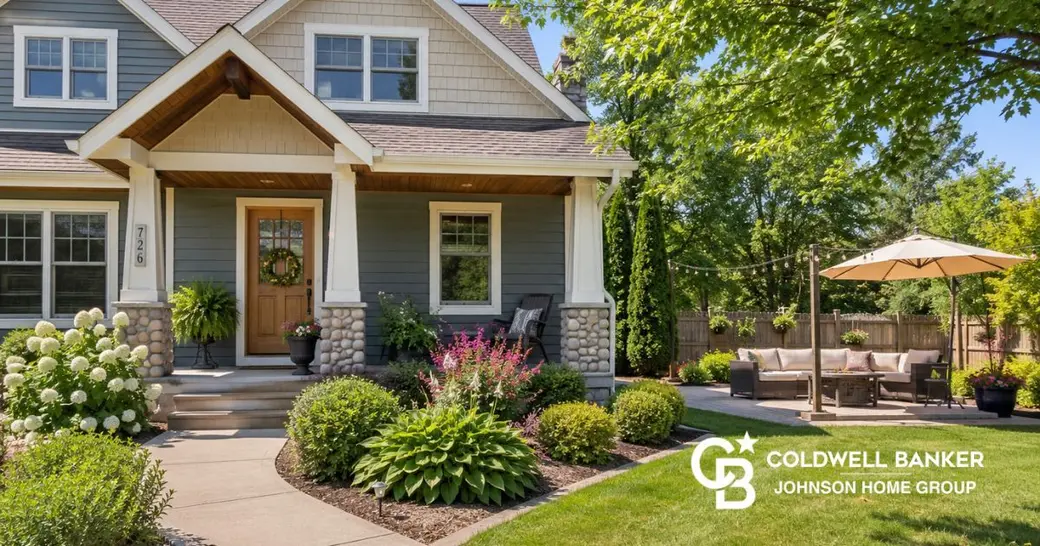
Summer is one of the best times to improve your home if you're thinking about a future sale in Hudson or the Twin Cities. The smartest upgrades are not always the biggest or most expensive ones. In many cases, a well-maintained exterior, inviting outdoor space, updated entryway, and practical improvements can make a stronger impression than a costly renovation that reflects only your personal taste.
That matters because today's buyer is often thinking beyond how a home looks in listing photos. They are considering maintenance, functionality, energy efficiency, and whether the home feels move-in ready. In Hudson and the Twin Cities, where homeowners experience everything from hot summer days to long, cold winters, improvements that look good and perform well can be especially appealing.
If you're evaluating upgrades now with a future sale in mind, use this simple question throughout the process: Will this improvement make my home more enjoyable today and more appealing to a broad range of buyers tomorrow?
I'm a firm believer that the best home improvements serve both purposes. You should enjoy your investment while you live there, but you should also think carefully before spending money on a project that may be difficult to recover when you sell.
What Home Improvements Add the Most Value During the Summer?
The summer improvements most likely to support future resale value are those that improve curb appeal, outdoor living, condition, functionality, and broad buyer appeal.
If you're deciding where to spend your summer renovation budget, consider prioritizing:
- Landscaping and curb appeal
- Front-door and entryway improvements
- Deck, patio, or porch maintenance
- Exterior painting or staining
- Roofing and other major maintenance
- Energy-efficiency improvements
- Kitchen and bathroom updates
- Storage and organization
- Fresh interior paint and lighting
The key is balance. A $50,000 project is not automatically better than a $5,000 project. The right improvement depends on your home's current condition, the neighborhood, your budget, and how long you plan to stay.
According to the National Association of REALTORS® and the National Association of the Remodeling Industry, remodeling projects can vary significantly in both homeowner satisfaction and estimated cost recovery. That is why it is important to consider the purpose of the project, not simply its price tag.
The takeaway: Before starting a project, ask whether you're improving the home for yourself, for future buyers, or ideally, for both.
Does Curb Appeal Add Value to a Home in Hudson and the Twin Cities?
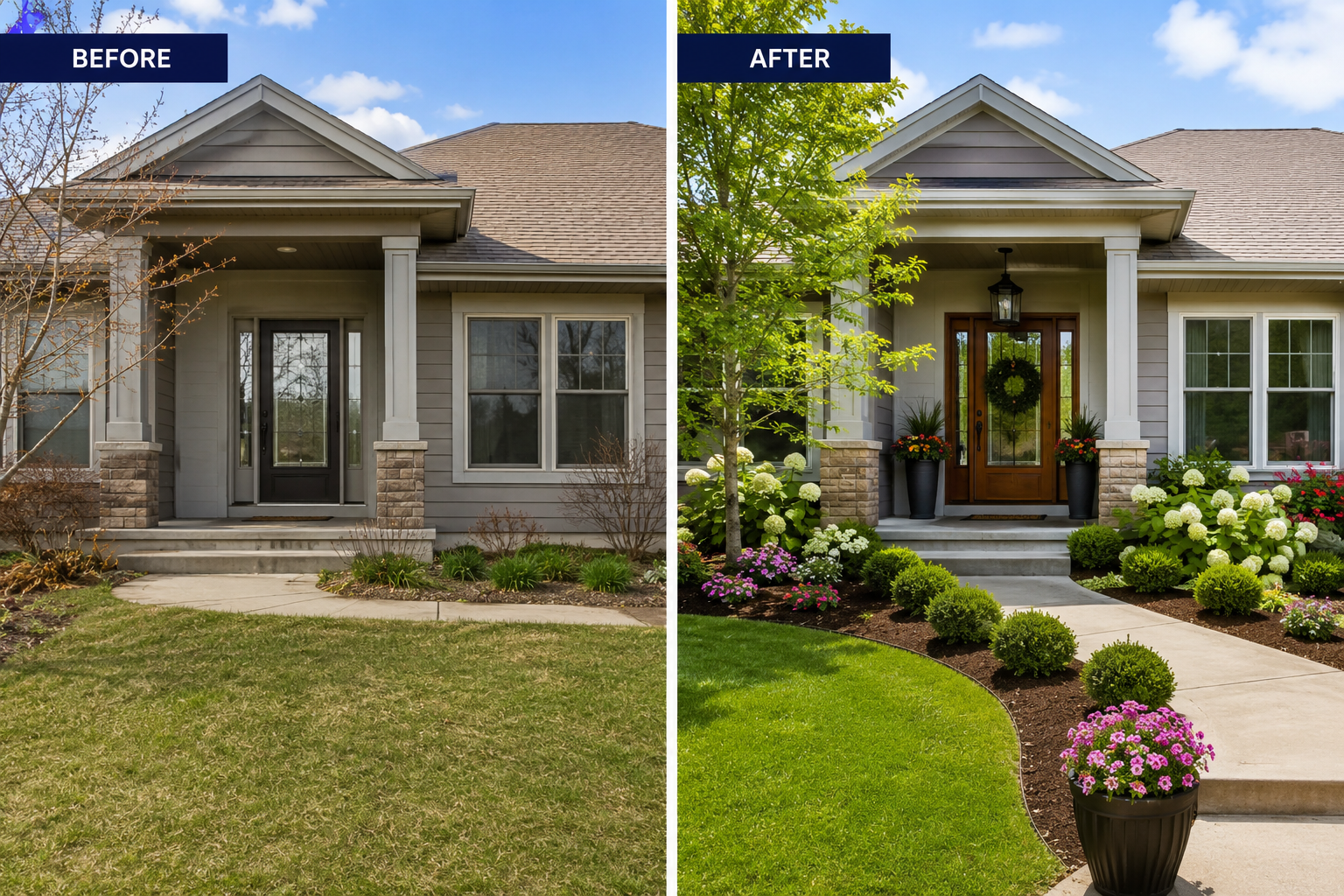
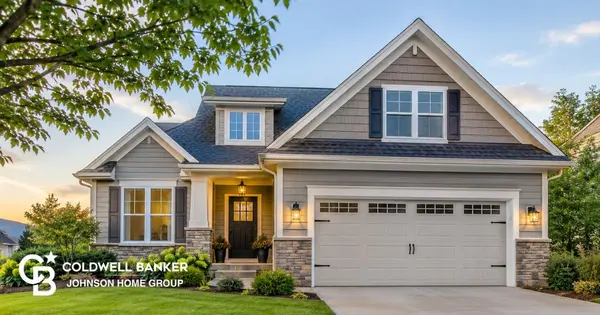
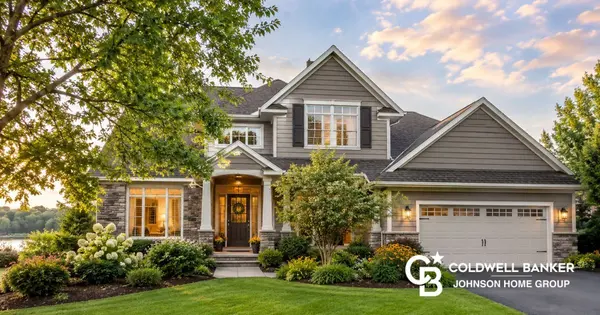
Yes, improving curb appeal can make your home more attractive to buyers and help create a stronger first impression before they ever walk through the front door.
Summer is the perfect time to see your home's exterior the way a buyer will see it. The grass is growing, gardens are visible, trees are full, and outdoor spaces are being used. That makes it easier to spot the details that may have been overlooked during the winter.
Start with the basics:
- Clean siding, windows, and exterior surfaces
- Trim overgrown shrubs
- Refresh mulch or planting beds
- Repair damaged walkways
- Add attractive, low-maintenance landscaping
- Paint or refresh a tired front door
- Replace outdated exterior lighting
- Make sure the house number is visible
- Keep the lawn healthy and neatly maintained
You don't need to create a magazine-cover landscape. In fact, highly elaborate landscaping can create additional maintenance concerns for future buyers. The goal is to make the property feel cared for, welcoming, and easy to maintain.
For homeowners in Hudson and the Twin Cities, summer also provides a valuable opportunity to address exterior maintenance before another Minnesota or Wisconsin winter arrives. A project that improves appearance while also protecting the property can be a particularly smart investment.
The takeaway: Think "clean, cared for, and inviting" rather than "expensive and elaborate."
Are Outdoor Living Spaces Worth Improving Before You Sell?
Outdoor living spaces can be worthwhile improvements when they add usable space without becoming overbuilt or overly personalized.
A comfortable deck, patio, porch, or backyard seating area can help buyers imagine how they will use the property during the warmer months. In a four-season market, that emotional connection can be powerful. Buyers may picture themselves hosting friends, grilling dinner, watching their children play, or enjoying a quiet summer evening outside.
If your outdoor area needs attention, consider improvements such as:
- Repairing or staining an aging deck
- Power washing hard surfaces
- Replacing damaged railings or steps
- Adding comfortable, flexible seating
- Improving outdoor lighting
- Creating a defined dining or entertaining area
- Refreshing landscaping around patios and decks
- Adding shade where appropriate
But here's an important question: Are you improving the outdoor space because it genuinely adds function, or because you're trying to create a luxury feature your neighborhood doesn't support?
That distinction matters. A simple, well-maintained patio may appeal to more buyers than an expensive outdoor kitchen that dramatically increases your investment without adding comparable market value.
According to the National Association of REALTORS® Remodeling Impact Report, outdoor projects can provide meaningful homeowner satisfaction, but estimated cost recovery varies by project. That reinforces the idea that outdoor improvements should be selected strategically.
The takeaway: Make outdoor living better, not necessarily bigger.

Which Summer Home Upgrades Improve Energy Efficiency?
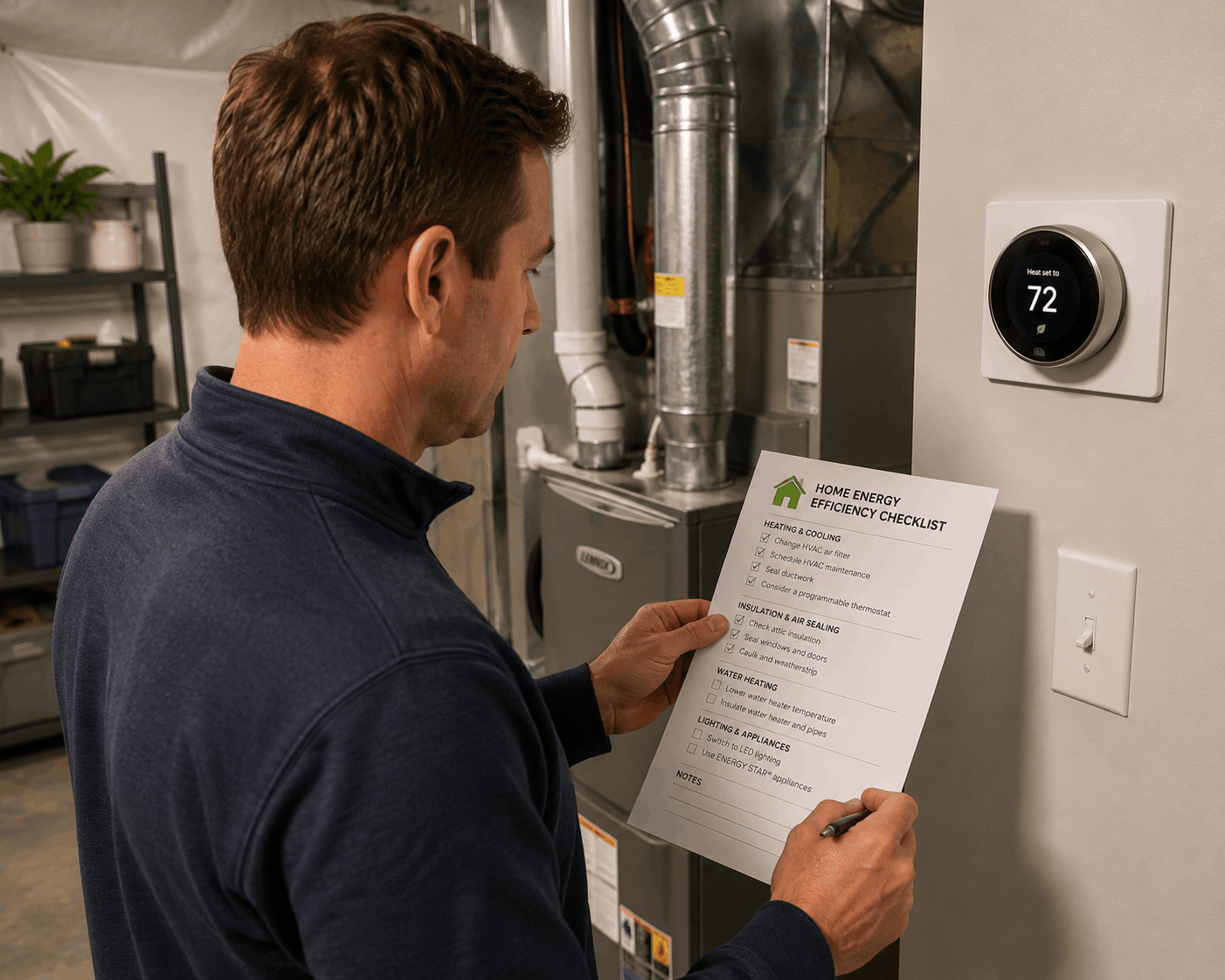
Energy-efficiency improvements can increase comfort and reduce operating costs while making a home more attractive to buyers who value long-term ownership expenses.
In Hudson and the Twin Cities, homeowners deal with significant seasonal temperature changes. That makes improvements related to insulation, windows, HVAC systems, air sealing, and smart thermostats worth considering.
Some projects may be relatively simple. Others require a larger investment and should be evaluated based on the age and condition of your home.
Consider:
- Sealing obvious air leaks
- Improving insulation where needed
- Servicing the HVAC system
- Replacing an outdated thermostat
- Evaluating older windows
- Improving attic ventilation
- Upgrading inefficient lighting
- Choosing energy-efficient appliances when replacement is already necessary
The best approach is not to replace everything simply because newer products exist. Instead, identify the areas where your home is inefficient or where maintenance has been deferred.
If you're planning to sell several years from now, keep documentation for significant improvements. Receipts, warranties, service records, and permits can help demonstrate that the property has been maintained responsibly.
The takeaway: Improvements that make a home more comfortable, efficient, and easier to maintain can benefit you now and help tell a stronger story to future buyers.
Should You Remodel Your Kitchen or Bathroom Before a Future Sale?
Kitchen and bathroom updates can improve buyer appeal, but a targeted refresh is often more financially sensible than a major remodel done solely for resale.
These rooms matter because buyers use them every day. They also tend to notice dated finishes quickly.
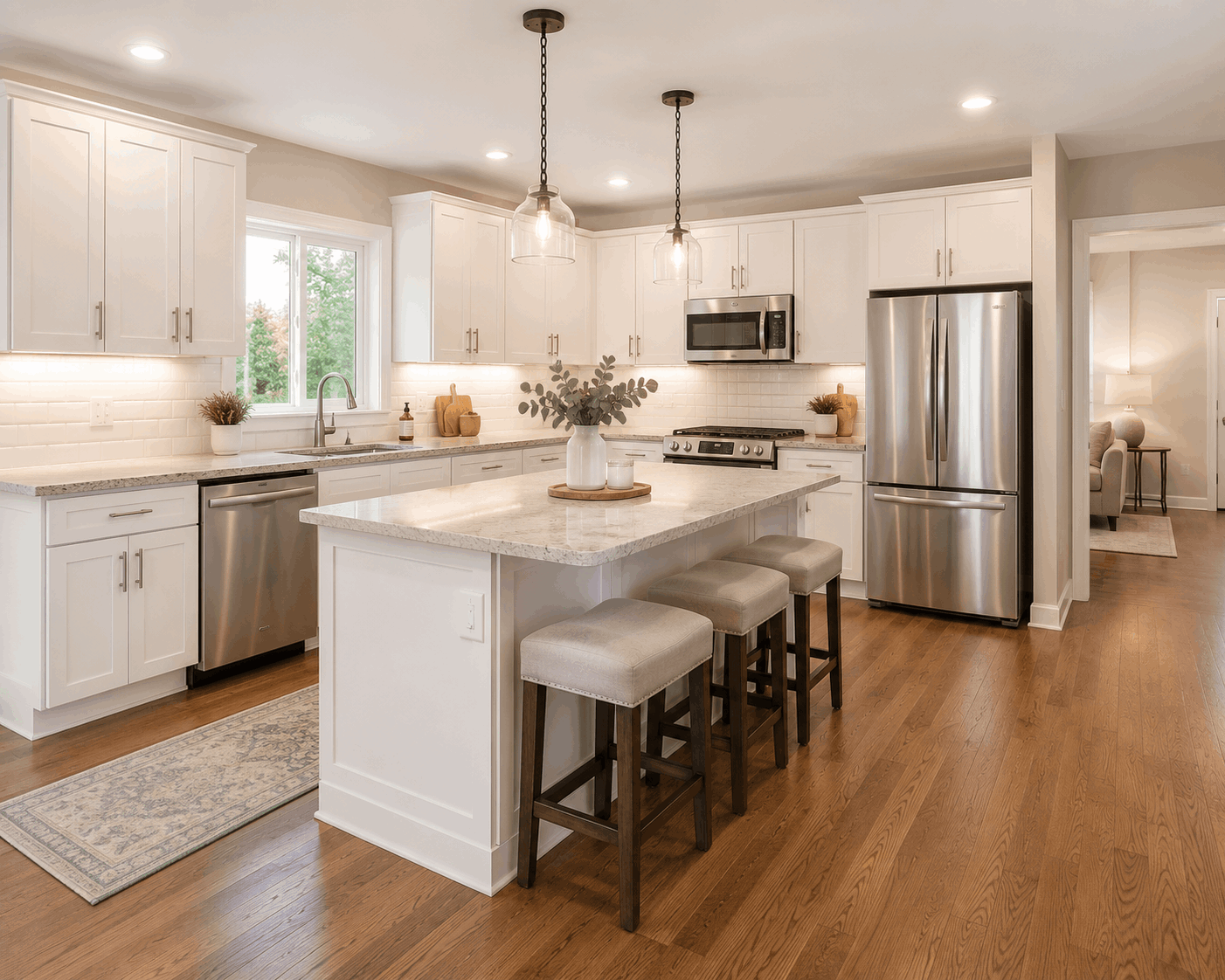
If your kitchen is functional but visually tired, you might consider:
- Replacing outdated cabinet hardware
- Updating light fixtures
- Repainting cabinets when appropriate
- Replacing worn countertops
- Installing a modern backsplash
- Updating a few appliances as needed
- Improving pantry or cabinet organization
Bathrooms may benefit from:
- New mirrors
- Updated lighting
- Modern faucets
- Fresh paint
- Improved storage
- Regrouting or replacing worn surfaces
What if your kitchen is already functional but you simply don't like the style? That's where caution becomes important.
A renovation that makes the home dramatically better for you may not deliver the same value to the next owner. If you plan to sell within a few years, favor improvements with broad appeal and avoid highly personalized choices.
The 2025 NAR/NARI Remodeling Impact Report found that different remodeling projects produce different levels of estimated cost recovery, while some projects score particularly high for homeowner satisfaction. The lesson is simple: the project that makes you happiest is not always the project that returns the most money at resale.
The takeaway: If you renovate, choose timeless improvements that make the home feel fresh without making it feel overly customized.
Does a New Roof Add Value to a Home in Hudson or the Twin Cities?
A new roof may not always return every dollar spent, but a sound roof can protect your home's value and prevent a major condition issue from becoming a buyer objection.
This is an important distinction.
Some home improvements are designed to increase perceived value. Others protect the value you already have.
A roof in poor condition can raise questions about leaks, insurance, maintenance, and future expenses. The same is true for other major systems. If buyers believe they will need to make an immediate, expensive repair after closing, they may adjust their offer or move on to another property.
Summer is an ideal time to inspect and address exterior maintenance before winter arrives.
Depending on your home's condition, that could include:
- Roof repairs or replacement
- Gutter maintenance
- Siding repairs
- Window maintenance
- Foundation drainage improvements
- Driveway repairs
- Deck repairs
- Exterior painting or staining
The takeaway: Don't think of major maintenance only as an upgrade. Think of it as protecting the investment you already made.
What Small Home Improvements Can Make the Biggest Difference?
Small improvements can create significant visual impact when they address the details buyers notice immediately.
This is where many homeowners can get the best combination of affordability and impact.
Consider:
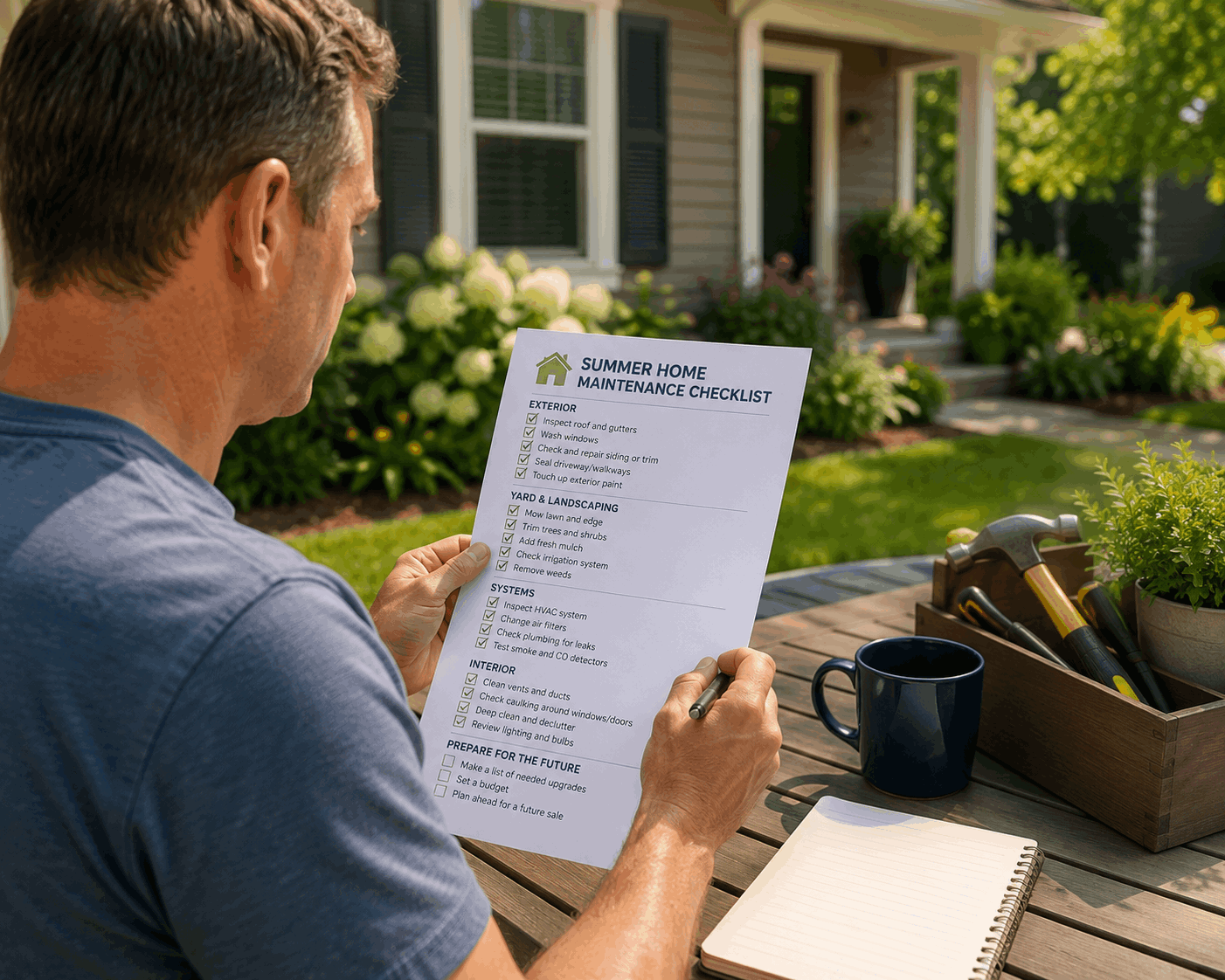
- Fresh paint: Neutral, clean colors can make rooms feel brighter and more spacious.
- Updated lighting: Modern fixtures can change the feel of a room without changing its layout.
- Decluttering: Buyers need to see the home's space, not the owner's belongings.
- Improved storage: Organized closets and functional storage can make a home feel more usable.
- Front-door updates: A refreshed entry can improve the first impression.
- Deep cleaning: Clean windows, floors, siding, and outdoor spaces can make the property feel better maintained.
- Minor repairs: Fixing loose handles, damaged trim, sticking doors, and visible wear can eliminate small objections.
These projects may not sound exciting. But here's the surprising part: buyers often notice the small signs of deferred maintenance more than homeowners expect.
A home that feels clean, functional, and cared for can create confidence. That confidence matters when a buyer is comparing your property with several others.
The takeaway: Before spending thousands on a major renovation, walk through your home and make a list of every small issue you've learned to ignore.
Which Summer Home Improvements Should You Avoid If You Plan to Sell Later?
Avoid improvements that are highly personalized, significantly overbuilt for the neighborhood, or difficult for a future buyer to reverse.
This is where the "more is better" mindset can lead homeowners astray.
For example, you might love a bold, highly customized feature. But if it limits the number of buyers who can envision themselves living in the home, it may not help your future sale.
Be cautious about:
- Extremely personalized finishes
- Permanent themed rooms
- Luxury upgrades that exceed neighborhood expectations
- Major additions without considering comparable homes
- Removing functional bedrooms
- High-maintenance landscaping
- Trendy finishes that may quickly look dated
Before making a major change, ask: Would a buyer in my price range see this as a benefit, or would they see it as another project?
That question can save you from spending money twice, once on the original improvement and again when you eventually need to modify it for sale.
The takeaway: The best resale-oriented upgrades expand buyer appeal. They don't narrow it.
How Can You Decide Which Home Upgrade Is Worth the Investment?
Use the Future Sale Test before committing to any significant project.
Ask yourself these five questions:
1. Will I enjoy this improvement for the next several years?
If you're going to live in the home for five years, your personal enjoyment matters. A home is where you live, not simply an investment account.
2. Does the project solve a real problem?
Fixing a drainage issue, improving a failing roof, or addressing poor insulation may be more valuable than adding a decorative feature.
3. Does the improvement fit the neighborhood?
Look at comparable homes. If every nearby property has modest landscaping, you may not need a resort-style backyard.
4. Will a future buyer understand the benefit?
Some improvements are immediately obvious. Others require explanation. The more clearly a buyer can see the benefit, the more likely it is to influence their perception.
5. Would I recommend this project to a future seller?
This is the final test. Imagine you're advising a friend who owns your home and plans to sell in three years. Would you tell them to spend the money?
If the answer is yes, you may have found a smart project.
If you're unsure, consider talking with a local real estate professional before you begin. A contractor can tell you what a project will cost. A real estate professional can help you think about how buyers in your market may respond to it.
The takeaway: Don't ask only, "How much value will this add?" Ask, "How much value will this add compared with what I'm spending?"
How Can an AI Certified Agent Help You Plan for a Future Home Sale?
An AI Certified Agent can combine technology with local real estate expertise to help homeowners make more informed decisions about preparing and marketing a property.
Artificial intelligence is becoming a useful tool in real estate, but it should support professional judgment, not replace it.
For homeowners thinking about future upgrades, an AI-enabled real estate professional may be able to use technology to help organize information, improve marketing workflows, analyze available property information, and create more efficient ways to communicate with prospective buyers.
The real advantage comes from combining those tools with local knowledge.
For example, technology can help process information quickly, but an experienced local agent can help you ask the more important questions:
- How does this improvement compare with other homes in my neighborhood?
- Is this upgrade likely to matter to buyers in my price range?
- Should I complete this project before selling?
- Is there a better way to spend the same budget?
- What improvements are buyers noticing in homes like mine?
That combination of technology, local expertise, and human guidance can be especially valuable when you're planning years ahead.
The goal isn't to use AI because it sounds impressive. The goal is to use the right tools to save time, improve efficiency, strengthen marketing, and help clients make better-informed decisions.
The takeaway: The best technology doesn't replace the agent. It gives the agent more tools to serve you effectively.
What Should You Upgrade This Summer If You May Sell in the Next Few Years?
If a future sale is on your radar, prioritize projects that improve condition, curb appeal, functionality, and broad buyer appeal before taking on expensive cosmetic renovations.
A practical summer priority list might look like this:
Priority 1: Fix deferred maintenance.
Address the issues that could become buyer objections or inspection concerns.
Priority 2: Improve curb appeal.
Clean, trim, repair, paint, and landscape with a focus on a polished but manageable exterior.
Priority 3: Make outdoor spaces usable.
Repair decks and patios, add comfortable seating, and improve lighting.
Priority 4: Refresh high-impact interior spaces.
Consider paint, lighting, storage, and modest kitchen or bathroom updates.
Priority 5: Evaluate efficiency.
Look for improvements that increase comfort and reduce operating costs.
Priority 6: Avoid over-improving.
Before a major project, compare your home with nearby properties and consider your expected future selling price.
Hudson's housing market provides a good reminder of why this matters. According to Redfin, homes in Hudson had a median sale price of approximately $400,000 over the three months ending May 2026, with a median of 35 days on market. The market data also shows that individual properties can perform very differently, which reinforces the importance of evaluating the specific home and neighborhood rather than relying on a single market-wide number.
The takeaway: The best summer upgrade is not necessarily the one that costs the most. It is the one that improves your quality of life now while keeping your future buyer in mind.
Conclusion: What Really Adds Value to a Home During the Summer?
The best summer home improvements are the ones that make your property more enjoyable, more functional, better maintained, and easier for future buyers to appreciate.
If you're in Hudson or the Twin Cities and thinking about selling someday, you don't have to renovate your entire home at once. Start with the improvements that protect the property, strengthen curb appeal, improve everyday living, and appeal to the widest range of buyers.
Most importantly, remember the Future Sale Test: Will this project make my home better for me today and more appealing to someone else tomorrow?
If the answer is yes, you may have found a smart investment.
Thinking about selling your Hudson or Twin Cities home in the next few years? Start planning now. Reach out to discuss which improvements may make sense for your property, your neighborhood, and your future goals.
Frequently Asked Questions
What adds the most value to a home during the summer?
The improvements that typically make the strongest case are those that improve curb appeal, condition, functionality, and outdoor living without over-improving the property. Landscaping, exterior maintenance, entryway improvements, practical repairs, and targeted updates can all help. The best choice depends on the home's condition, neighborhood, price range, and how soon you plan to sell.
Do outdoor improvements increase home value in Minnesota and Wisconsin?
Outdoor improvements can improve buyer appeal, particularly when they create functional spaces for entertaining and relaxing. However, homeowners should focus on practical, well-maintained spaces rather than expensive additions that may not fit the neighborhood. A clean deck, attractive patio, thoughtful landscaping, and good outdoor lighting can often accomplish more than an elaborate project.
Is it better to remodel a kitchen or make smaller home improvements before selling?
It depends on the condition of the kitchen and the home overall. If the kitchen is outdated but functional, smaller updates may provide a better balance between cost and buyer appeal. If the kitchen has serious functional problems, a larger renovation may be worth considering, but homeowners should evaluate the expected investment against comparable properties before moving forward.
What home improvements have the best resale value?
There is no single improvement that guarantees the best return in every market. Projects that improve curb appeal, address deferred maintenance, and create broad buyer appeal often make sense, while the estimated cost recovery of major remodeling projects can vary considerably. Local market conditions and the home's existing condition should always be part of the decision.
Should I renovate my home if I plan to sell in the next few years?
You don't necessarily need to renovate extensively if you plan to sell soon. Instead, focus on improvements that address condition issues, improve first impressions, and make the home feel clean, functional, and move-in ready. Before spending significant money, talk with a local real estate professional about which improvements buyers in your area are most likely to value.
Recent Posts




"Thanks for reaching out to The Johnson Group! We're here to guide you and provide all the real estate info you need along the way. Your dream home might be just a click away, and we're delighted to be a part of your real estate adventure!"