
How Do You Know When a Hudson, WI Home Is Actually a Good Deal?
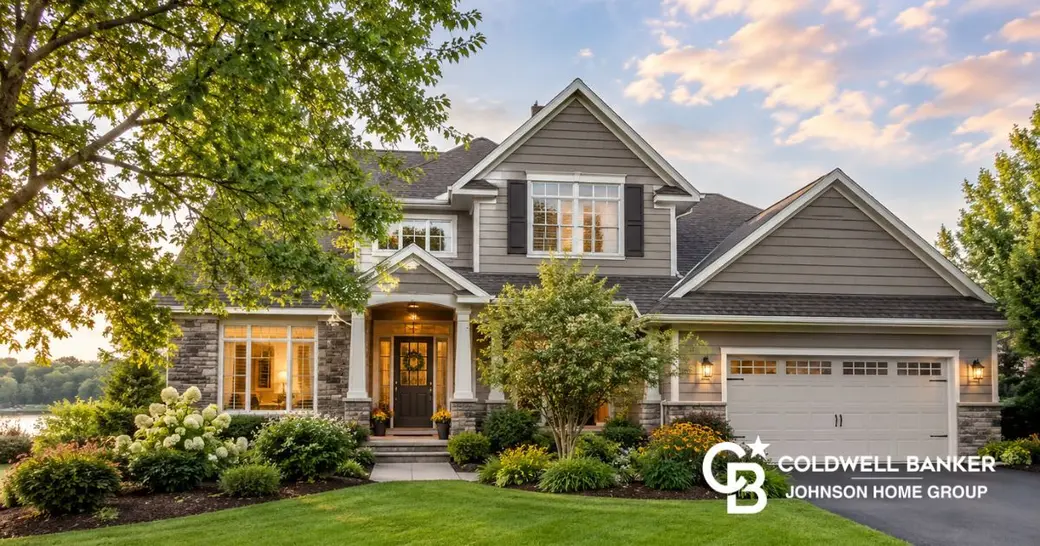
How do you know when a home is actually a good deal?
A lower asking price might catch your attention, but price alone doesn't tell you whether you're getting good value. A home can look like a bargain and still require significant repairs, have a challenging location, or be priced appropriately for its condition.
On the other hand, a home with a higher asking price may represent strong value if it has desirable features, a good location, quality updates, and a price that compares well with similar properties.
Here's the reality… a good deal isn't necessarily the cheapest house. It's a home where the price, condition, location, and long-term value make sense together.
What Does a "Good Deal" Actually Mean in Real Estate?
A good deal can mean different things to different buyers.
For one buyer, it might mean finding a move-in-ready home at a competitive price. For another, it could mean purchasing a property that needs cosmetic work but has the right location and enough potential to justify the improvements.
Instead of focusing only on the asking price, consider the complete picture.
A good deal may involve:
- A price that compares favorably with similar homes
- A desirable location
- A functional floor plan
- Reasonable property taxes and ongoing costs
- A well-maintained home
- Valuable updates or improvements
- A manageable amount of future work
- Strong potential resale appeal
The goal is to understand what you're actually getting for your money.
Is a Lower-Priced Home Always a Better Deal?
No.
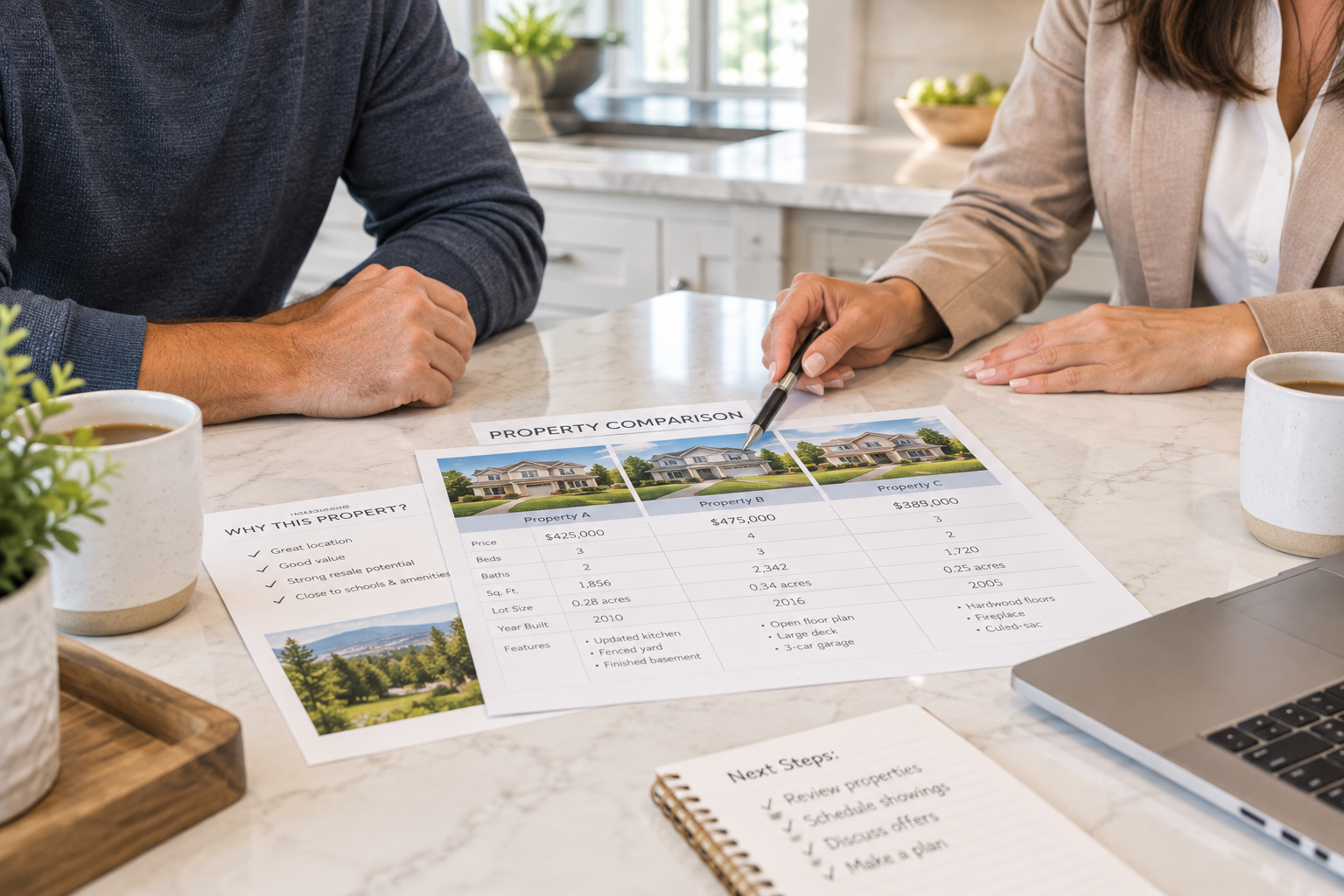
A lower list price can be attractive, but it may also reflect the home's condition, location, size, or other characteristics.
For example, a home priced below comparable properties might need a new roof, HVAC system, windows, or extensive cosmetic improvements.
Those expenses can quickly change the overall cost of the purchase.
Before deciding that a home is a bargain, ask:
What would I realistically spend to make this home work for me?
Then consider the purchase price and potential improvements together.
A home with a slightly higher asking price may ultimately require less money and effort after closing.
How Can Comparable Sales Help You Determine Value?
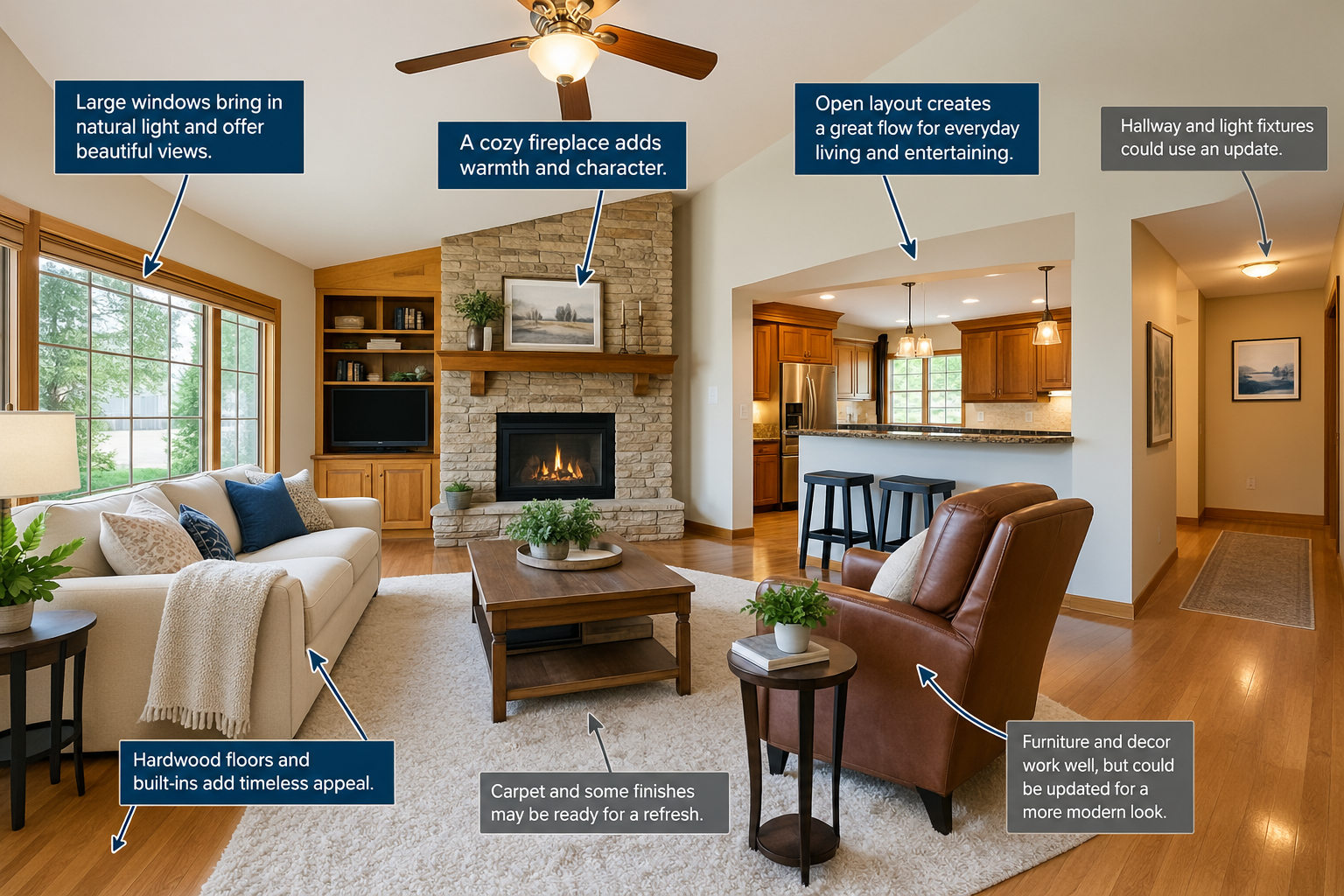
Comparable sales, often called "comps," are one of the most useful tools when evaluating a home's price.
A comparable property should ideally be similar in factors such as:
- Location
- Size
- Age
- Property type
- Number of bedrooms and bathrooms
- Lot size
- Condition
- Recent improvements
- Overall features
Recent sales can provide context for what buyers have actually paid for similar homes.
In Hudson, recent sales demonstrate why looking beyond list price matters. For example, Redfin's current data includes recent Hudson properties that sold both below and above their original asking prices, depending on the property and circumstances.
That makes comparable sales more useful than simply looking at the prices of homes currently listed for sale.

Does the Home's Condition Match the Price?
Condition is one of the biggest factors to evaluate.
A recently renovated home and a home that needs significant work shouldn't necessarily command the same price, even if they're similar in size and location.
Look carefully at:
- Roof
- Windows
- HVAC systems
- Plumbing
- Electrical
- Foundation
- Kitchen
- Bathrooms
- Flooring
- Exterior siding
- Landscaping
- Basement condition
Some updates are primarily cosmetic, while others can involve significant expense.
A good deal should still make sense after you account for the work the property may need.
What Updates Add Value to a Hudson, WI Home?
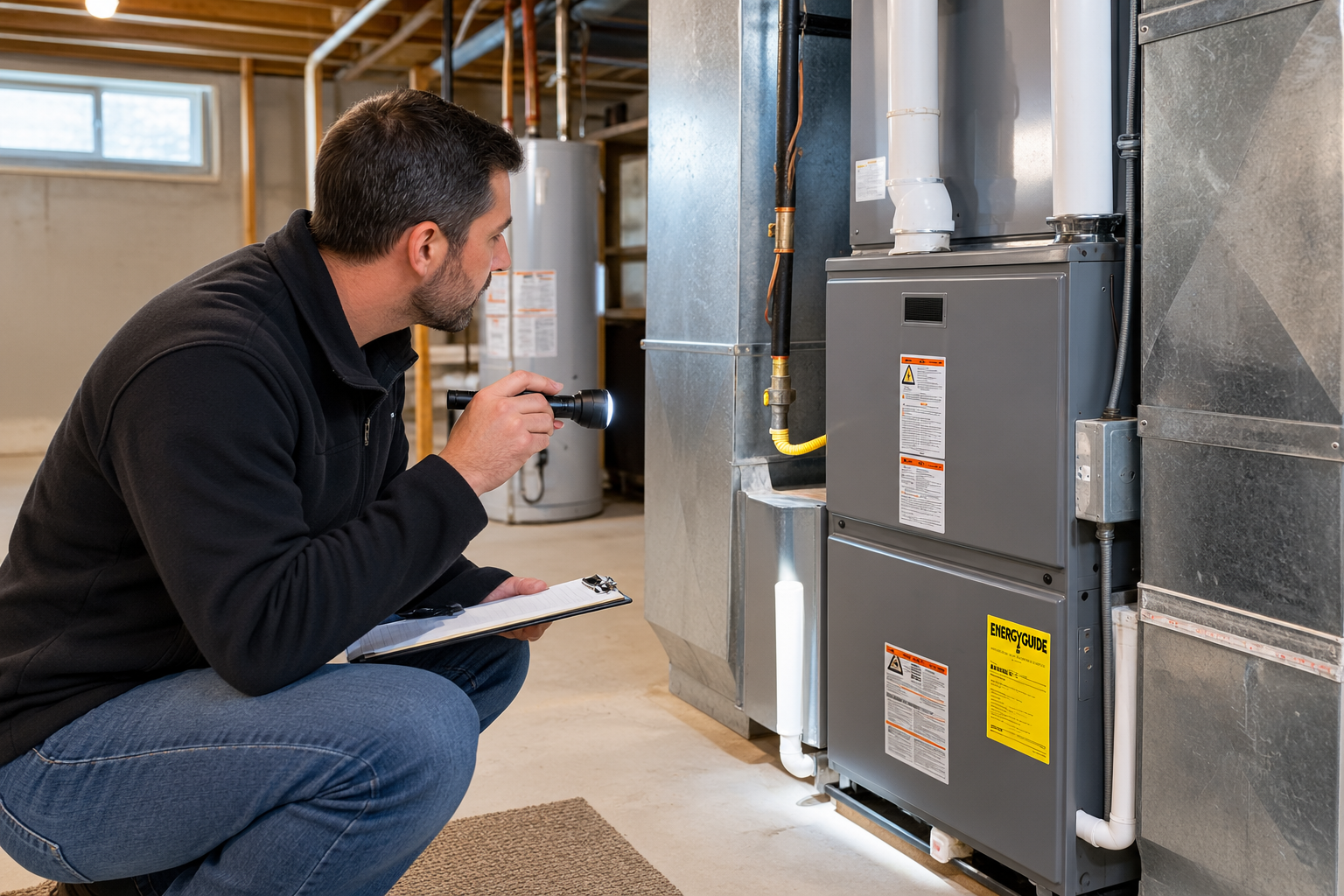
Not every renovation adds the same amount of value.
Buyers tend to notice improvements that make a home more functional, comfortable, efficient, or move-in ready.
Depending on the property, that might include:
- Updated kitchens
- Renovated bathrooms
- Newer roofing
- Updated windows
- Modern HVAC systems
- Improved insulation
- Finished basements
- Updated flooring
- Functional outdoor spaces
- Attached garages
However, buyers shouldn't assume that every dollar spent on an improvement will be reflected directly in the home's value.
The important question is whether the updates help the property compete with similar homes in the same market.
How Important Is Location When Evaluating a Good Deal?
Very.
A home's location can influence both its current appeal and its future marketability.
When evaluating a property in Hudson, consider its proximity to:
- Schools
- Parks and trails
- Shopping
- Restaurants
- Major highways
- The Twin Cities
- The St. Croix River
- Employment centers
- Neighborhood amenities
You should also consider the specific street and surrounding properties.
Two homes with similar square footage can have very different values because of location.
A property that checks your location requirements may be worth considering even if its list price isn't the lowest option you find.

Should You Pay Attention to Days on Market?
Yes—but don't use it by itself.
Days on market can provide useful context.
A home that has been listed for a few days may still be attracting significant buyer attention. A property that has been available considerably longer may deserve a closer look at pricing, condition, presentation, or other factors.
Current Redfin data for Hudson shows homes selling after roughly 31 days on average for the three months ending August 2026, although individual properties can vary significantly.
That means a home sitting longer than the local norm isn't automatically a problem.
It is simply a reason to ask more questions.

Can a Price Reduction Mean You're Getting a Good Deal?
It can, but not automatically.
A price reduction means the seller has changed the asking price. It doesn't necessarily mean the new price is below market value.
Before viewing a reduction as an opportunity, compare the current price with:
- Recent comparable sales
- Similar active listings
- The home's condition
- Recent improvements
- Location
- Market time
- Potential repair costs
For example, a home that has been reduced from an unrealistic initial price to a more competitive price may now be positioned appropriately rather than discounted.
The number that matters is the current price compared with the property's actual value, not simply how much the price has been reduced.
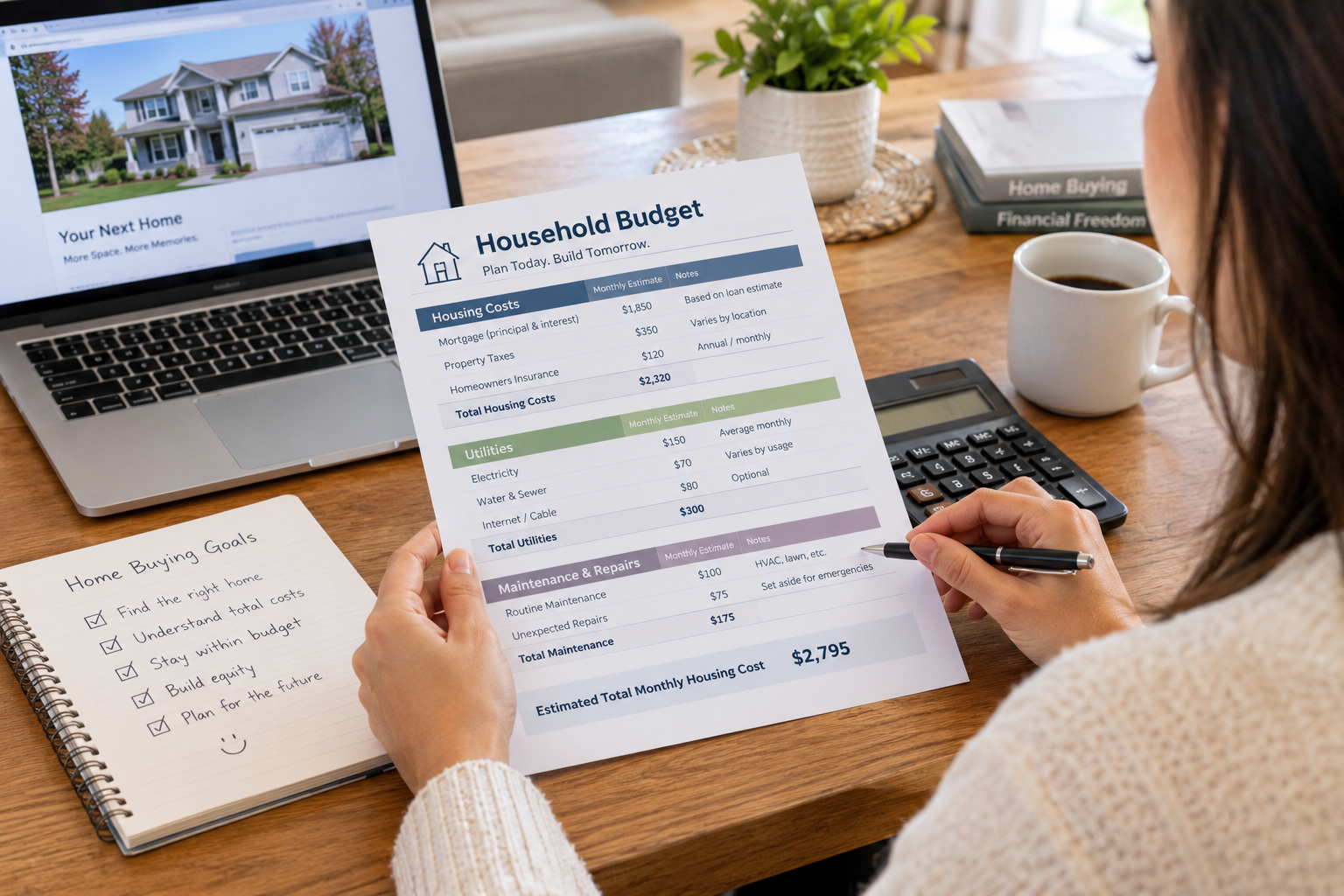
What About Property Taxes and Ongoing Costs?
The purchase price is only one part of the cost of owning a home.
When evaluating a potential purchase, consider recurring expenses such as:
- Property taxes
- Homeowners insurance
- Utilities
- Maintenance
- HOA fees, if applicable
- Lawn care
- Snow removal
- Future repairs
A home with a lower purchase price isn't necessarily less expensive to own if its ongoing costs are significantly higher.
Understanding the full cost of ownership can help you compare properties more realistically.
Is a Fixer-Upper Ever a Good Deal?
It can be.
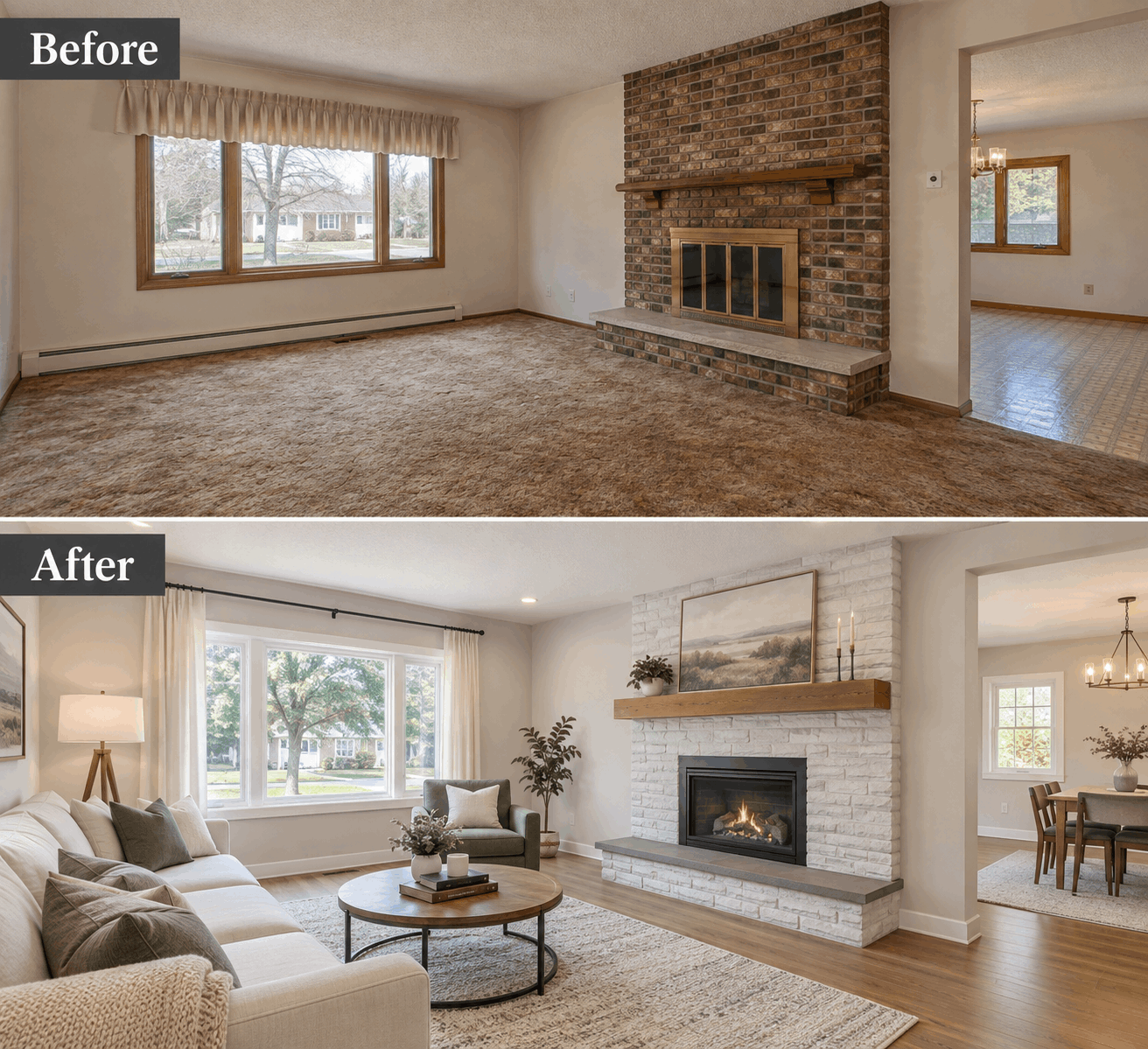
A home that needs work may provide an opportunity for a buyer who has the budget, time, and willingness to complete improvements.
But don't underestimate renovation costs.
Before purchasing a fixer-upper, consider:
- Which improvements are essential
- Which projects can wait
- Estimated contractor costs
- Permit requirements
- Timeline for completing the work
- Whether the finished home will justify the investment
The best fixer-upper opportunity isn't necessarily the one with the lowest price.
It's the one where the purchase price and improvement costs make sense relative to the property's potential value.
How Do You Know If the Home Is Priced Fairly?
Look at the evidence.
Start by comparing the property with recently sold homes that are genuinely similar.
Then consider:
Price: Does the asking price align with comparable sales?
Condition: Does the home's condition support the price?
Location: Does the neighborhood justify the price compared with alternatives?
Features: Does the home offer features buyers are currently looking for?
Market time: Has it been sitting longer than comparable properties?
Future costs: What repairs or improvements might you need after closing?
When these factors line up, you have a much better picture of whether the home represents good value.
What Are the Red Flags That a "Good Deal" May Not Be a Good Deal?
Sometimes an unusually attractive price deserves additional investigation.
Watch for:
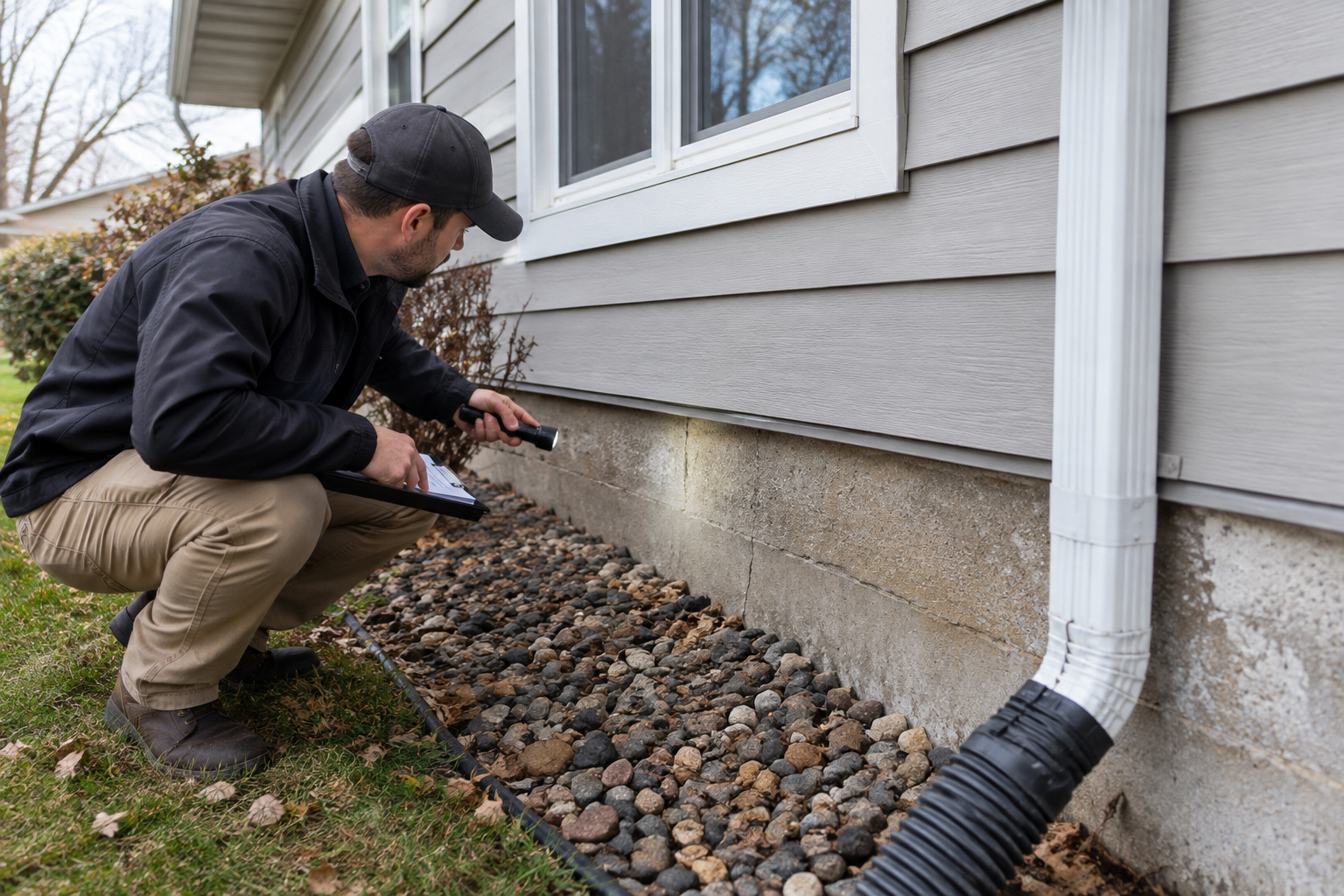
- Significant deferred maintenance
- Foundation concerns
- Water intrusion
- Major roof issues
- Outdated mechanical systems
- Unusual property tax considerations
- Difficult location
- Functional layout problems
- Expensive upcoming repairs
- Limited resale appeal
This doesn't automatically mean you should walk away.
It means you should understand what you're buying.
A property can still be worthwhile if the price appropriately accounts for its challenges.
Should You Wait for a Better Deal?
Waiting can sometimes provide more options, but there's no guarantee that the next home will offer better value.
A home that fits your needs and is appropriately priced today may be more useful than waiting indefinitely for a hypothetical bargain.
Instead of asking:
"Can I find something cheaper?"
Consider asking:
"Does this home provide good value for what I'm paying?"
That shift can help you evaluate homes based on quality, location, condition, and long-term fit rather than price alone.
Why Work With a Local Real Estate Agent When Evaluating a Home's Value?
Understanding whether a home is a good deal requires more than looking at the listing price.
A local real estate professional can help you evaluate:
- Comparable sales
- Current competition
- Pricing history
- Neighborhood differences
- Property condition
- Recent improvements
- Market time
- Potential negotiation strategies
For buyers searching in Hudson, WI, the Twin Cities, River Falls, New Richmond, Woodbury, or surrounding communities, local market knowledge can provide important context when comparing properties.
NorthstarMLS's InfoSparks platform, for example, allows market data to be analyzed at different geographic levels, including cities, ZIP codes, neighborhoods, and counties.
The goal isn't simply to find the lowest-priced home.
It's to understand what you're getting for the price.
So, How Do You Know When a Hudson, WI Home Is Actually a Good Deal?
Look at the entire picture.
A good deal isn't necessarily a home with the lowest asking price or the biggest price reduction.
Instead, look for a combination of:
- A price supported by comparable sales
- A location that fits your priorities
- A condition that matches the price
- Features that provide useful value
- Reasonable ongoing ownership costs
- Manageable future improvements
- Long-term appeal
In other words, value matters more than the sticker price.
Final Thoughts
Finding a good deal in Hudson, WI requires more than searching for the lowest price.
A home can be a good value because of its location, condition, updates, layout, lot, or long-term potential. At the same time, a seemingly inexpensive property may require enough additional investment to change the equation.
Current Hudson market data shows why buyers should look at individual properties rather than relying on broad assumptions. The median sale price was about $468,000 for the three months ending August 2026, while individual homes have recently sold both above and below their asking prices.
The best approach is to compare the property with recent sales, understand its condition, consider future costs, and evaluate how well it fits your needs.
If you're searching for a home in Hudson, WI or the surrounding Twin Cities and Western Wisconsin communities, Johnson Home Group can help you evaluate the numbers, compare your options, and understand what you're actually getting for your money.
Frequently Asked Questions
What makes a home a good deal?
A good deal is a property where the price, condition, location, features, and potential future costs make sense together. The lowest-priced home isn't necessarily the best value.
How can I tell if a Hudson, WI home is overpriced?
Compare it with recent sales of similar properties, current competing listings, condition, updates, location, and market time. A local comparative market analysis can provide additional context.
Does a price reduction mean a home is a bargain?
Not necessarily. A price reduction may simply bring a property closer to its market value. Compare the new price with recent comparable sales before deciding whether it represents an opportunity.
Should I buy a home that needs repairs if the price is low?
It depends on the cost and scope of the repairs. Consider the purchase price, estimated improvement costs, your budget, and the home's potential after improvements.
How important is location when determining a home's value?
Very important. Neighborhood, commute, schools, amenities, lot characteristics, and surrounding properties can all affect a home's appeal and value.
How many days on market is too long in Hudson, WI?
There isn't a single number that applies to every property. Redfin reported a median of about 31 days on market in Hudson for the three months ending August 2026, but individual properties vary based on price, condition, location, and other factors.
Should I make an offer below asking price if I think a home is overpriced?
An offer should be based on the property's market evidence, your budget, and the terms of the transaction. Comparable sales and the home's condition can help establish a reasonable basis for an offer.
Can a local Realtor help me determine whether a home is a good deal?
Yes. A local Realtor can help you review comparable sales, current competition, property details, pricing history, and other factors that influence a home's value.
Recent Posts





"Thanks for reaching out to The Johnson Group! We're here to guide you and provide all the real estate info you need along the way. Your dream home might be just a click away, and we're delighted to be a part of your real estate adventure!"