
Is Your Hudson, WI Home Ready for Winter? 12 Things to Do This Fall

If you own a home in Hudson, WI, fall is the perfect time to make sure your property is ready for winter.
Wisconsin winters can bring freezing temperatures, snow, ice, strong winds, and winter storms, so a little preparation in the fall can help you address maintenance issues before they become bigger problems.
The good news? You do not need to tackle everything in one weekend.
A simple fall checklist can help you work through the most important areas of your home, from the furnace and roof to gutters, pipes, trees, smoke detectors, and emergency supplies.
And if you are thinking about selling your Hudson home sometime in the future, fall maintenance can also be a smart way to protect your home's condition and make a strong impression when the time comes.
At Johnson Home Group, we believe homeownership is about more than enjoying where you live today. It is also about taking care of your investment and understanding what your home may need for the years ahead.
So, is your Hudson home ready for winter?
Here are 12 things to check this fall.
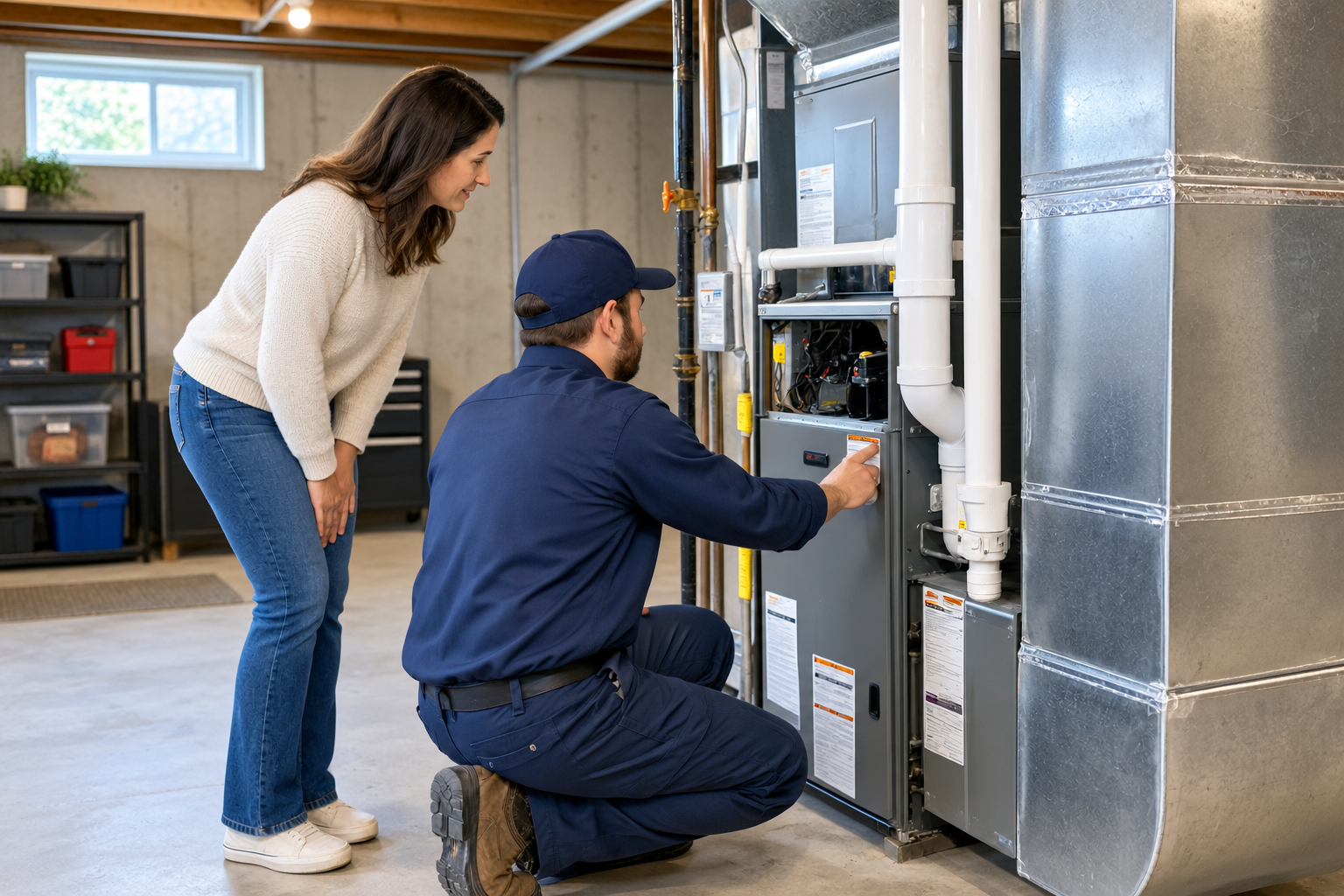
Is Your Furnace Ready for the Hudson, WI Winter?
Your furnace should be inspected and serviced before you depend on it throughout the winter.
Nobody wants to discover a heating problem on the coldest night of January.
Before winter arrives, schedule an annual furnace checkup with a qualified technician. Wisconsin Department of Health Services recommends having the furnace system and venting checked before heating season and changing furnace filters monthly.
This is also a good time to pay attention to how your home feels.
Are some rooms consistently colder than others? Is your furnace running longer than usual? Are there unusual sounds or odors?
Those observations may be worth discussing with an HVAC professional.
Fall To-Do:
- Schedule your annual furnace inspection.
- Replace or check your furnace filter.
- Make sure vents are not blocked.
- Ask about unusual noises or heating inconsistencies.
- Confirm that furnace venting is functioning properly.
Have You Sealed Drafty Windows and Doors?
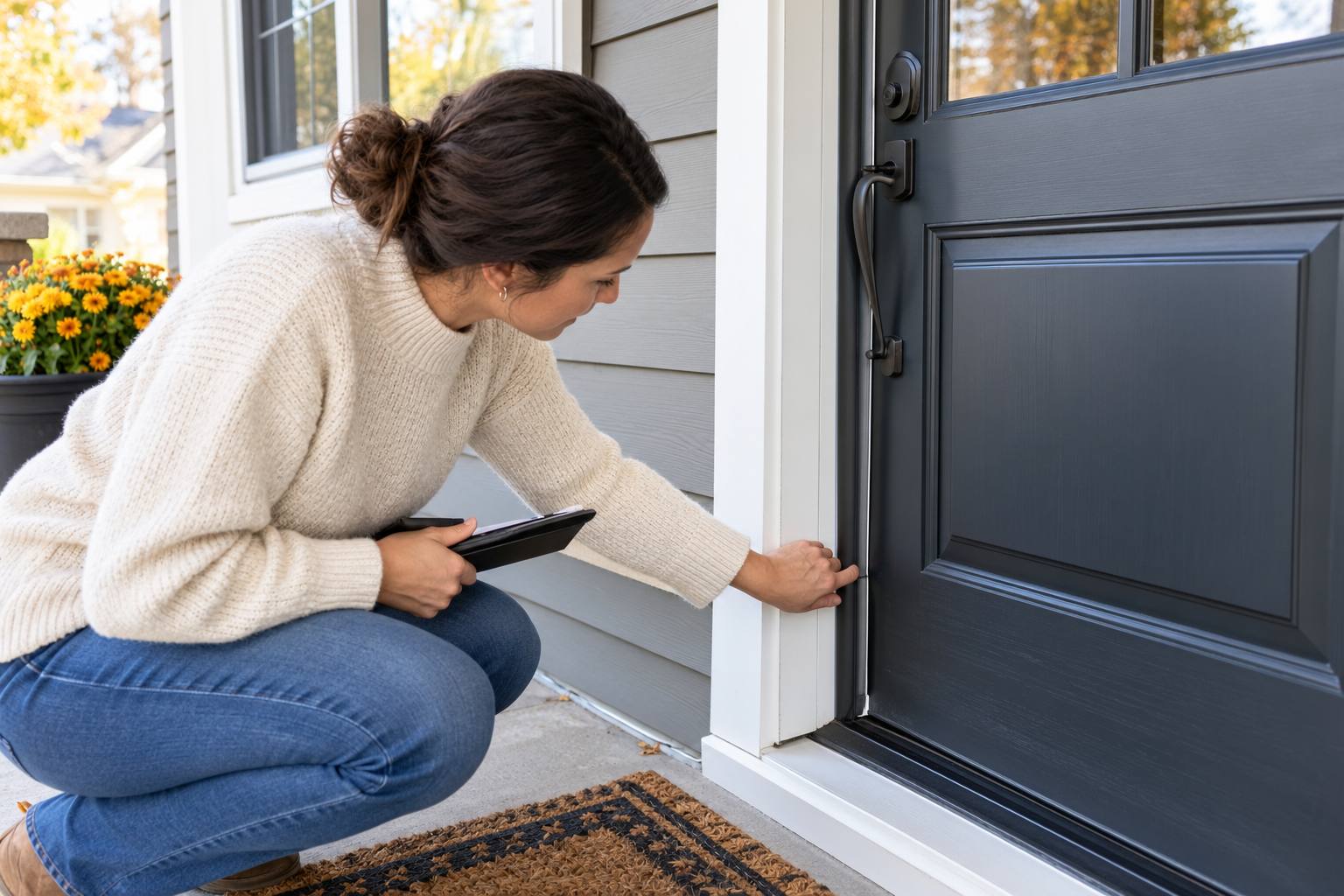
Sealing drafts around windows and exterior doors can make your home more comfortable during cold weather.
Fall is the ideal time to notice where cold air may be getting inside.
Walk around your home and pay attention to areas near exterior doors and windows. Look for cracked caulking, damaged weatherstripping, gaps, or windows that no longer close tightly.
Wisconsin DHS specifically recommends sealing cracks and weather-stripping drafty doors and windows as part of winterizing a home.
You may not need to replace every window.
Sometimes a relatively small maintenance project, such as replacing weatherstripping or sealing a gap, can address a noticeable draft.
Fall To-Do:
- Inspect exterior door weatherstripping.
- Check window seals and caulking.
- Look for visible gaps around frames.
- Pay attention to unusually cold areas.
- Consider a professional energy assessment if drafts are widespread.
Are Your Gutters and Downspouts Ready for Snow and Ice?
Your gutters and downspouts should be cleaned, secure, and positioned to move water away from your home's foundation.
Fall leaves can quickly fill gutters, especially around mature trees.
Before winter, remove leaves and debris and check for sagging sections, loose fasteners, disconnected joints, or downspouts that discharge water too close to the house.
This matters beyond keeping your gutters looking clean.
Water management around the home can affect the foundation, basement, landscaping, and overall condition of the property.
Fall To-Do:
- Clean leaves and debris from gutters.
- Check for sagging or loose sections.
- Make sure downspouts are connected.
- Confirm water is directed away from the foundation.
- Look for areas where water repeatedly collects.
Is Your Roof Ready for Winter Weather?
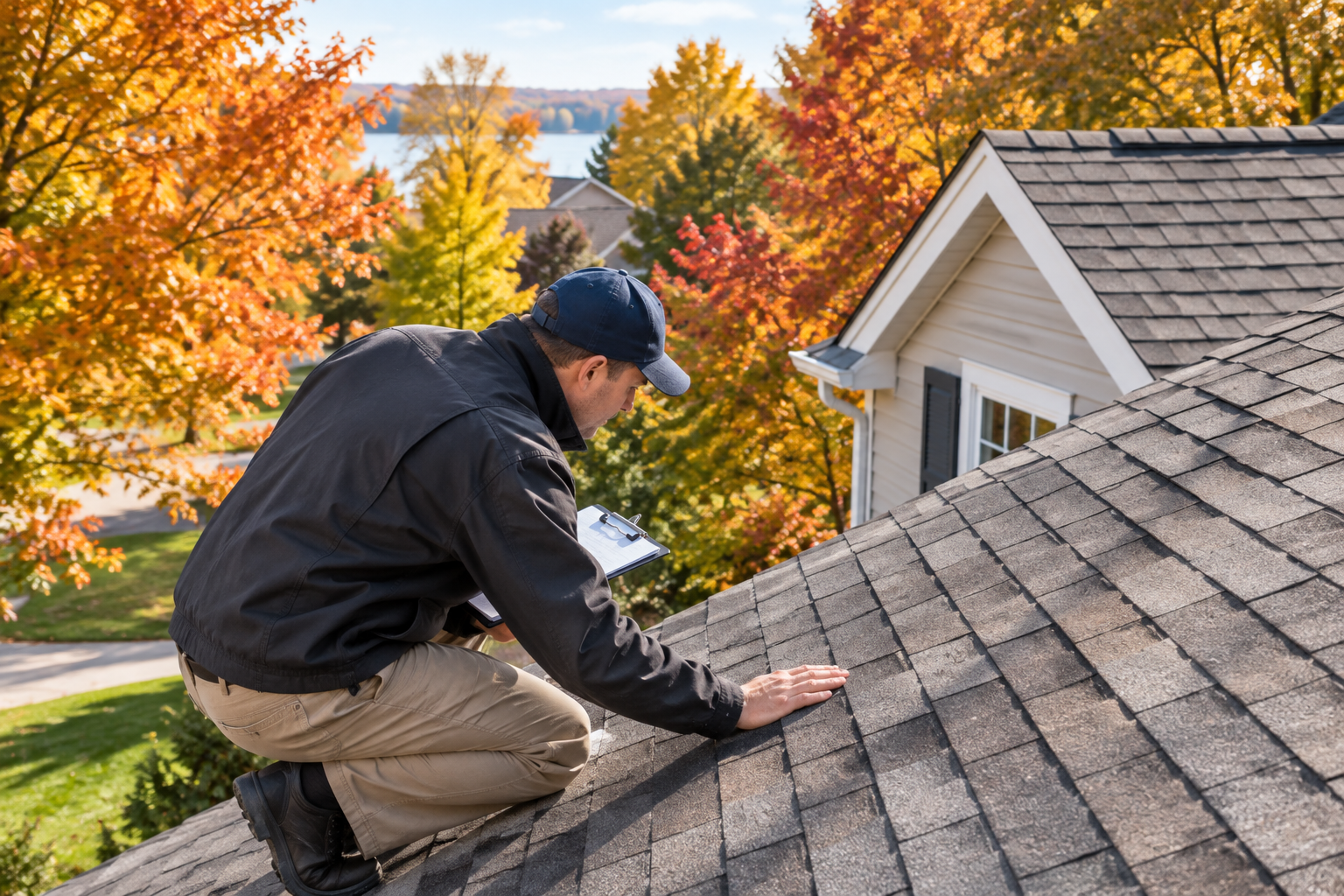
Your roof should be checked for visible damage, leaks, worn materials, and other issues before snow and ice arrive.
Fall gives you a valuable opportunity to inspect the roof before winter weather makes access and repairs more difficult.
From the ground, look for missing or damaged shingles, visible deterioration, damaged flashing, or areas that appear unusual.
Inside the home, look around ceilings and upper walls for signs of past water intrusion.
Wisconsin DHS recommends repairing roof leaks as part of winter home preparation.
If you see something concerning, consider having the roof evaluated by a qualified professional rather than waiting until the first major snowstorm.
Fall To-Do:
- Look for damaged or missing shingles.
- Check visible flashing.
- Look for signs of leaks indoors.
- Ask about the age and maintenance history of the roof.
- Address known problems before winter.
Have You Checked for Potential Ice-Dam Problems?
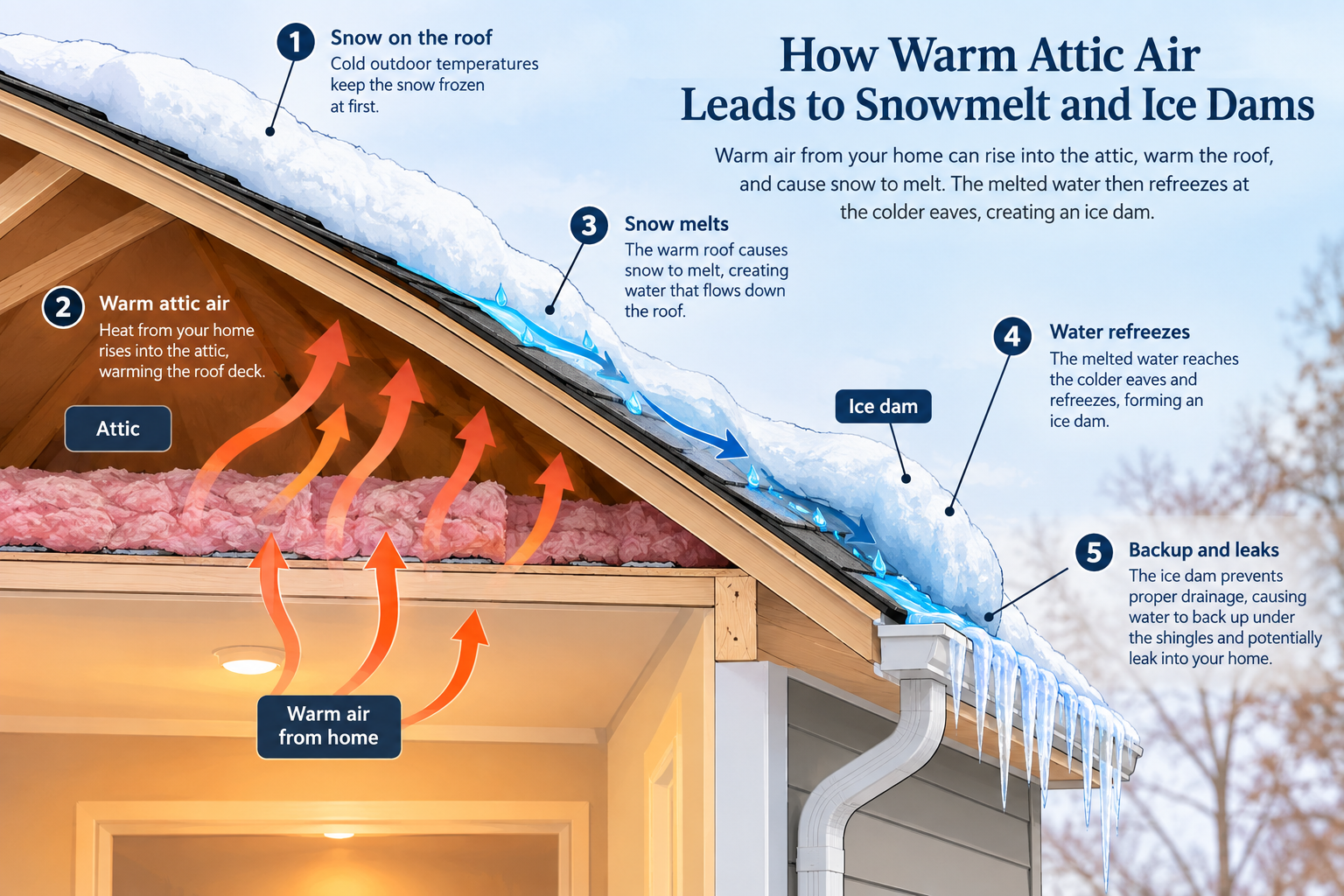
Ice-dam prevention starts with understanding how warm air and moisture can move into the attic and affect the roof.
Ice dams can become a concern during Wisconsin winters when snow melts and refreezes along colder roof edges.
According to the Minnesota Department of Commerce, attic air leakage can allow warm air into the attic, contributing to snowmelt and ice-dam formation. Air sealing and appropriate insulation can help address the underlying issue.
That means simply looking at your gutters may not tell the whole story.
If your home has experienced recurring ice dams, consider talking with a qualified home-performance professional about air sealing, insulation, and attic conditions.
Fall To-Do:
- Think back to previous winters.
- Look for evidence of past ice dams.
- Check the attic for obvious air leakage concerns.
- Evaluate insulation levels if appropriate.
- Consider a professional energy assessment if ice dams have been recurring.
Have You Protected Your Pipes and Outdoor Faucets?
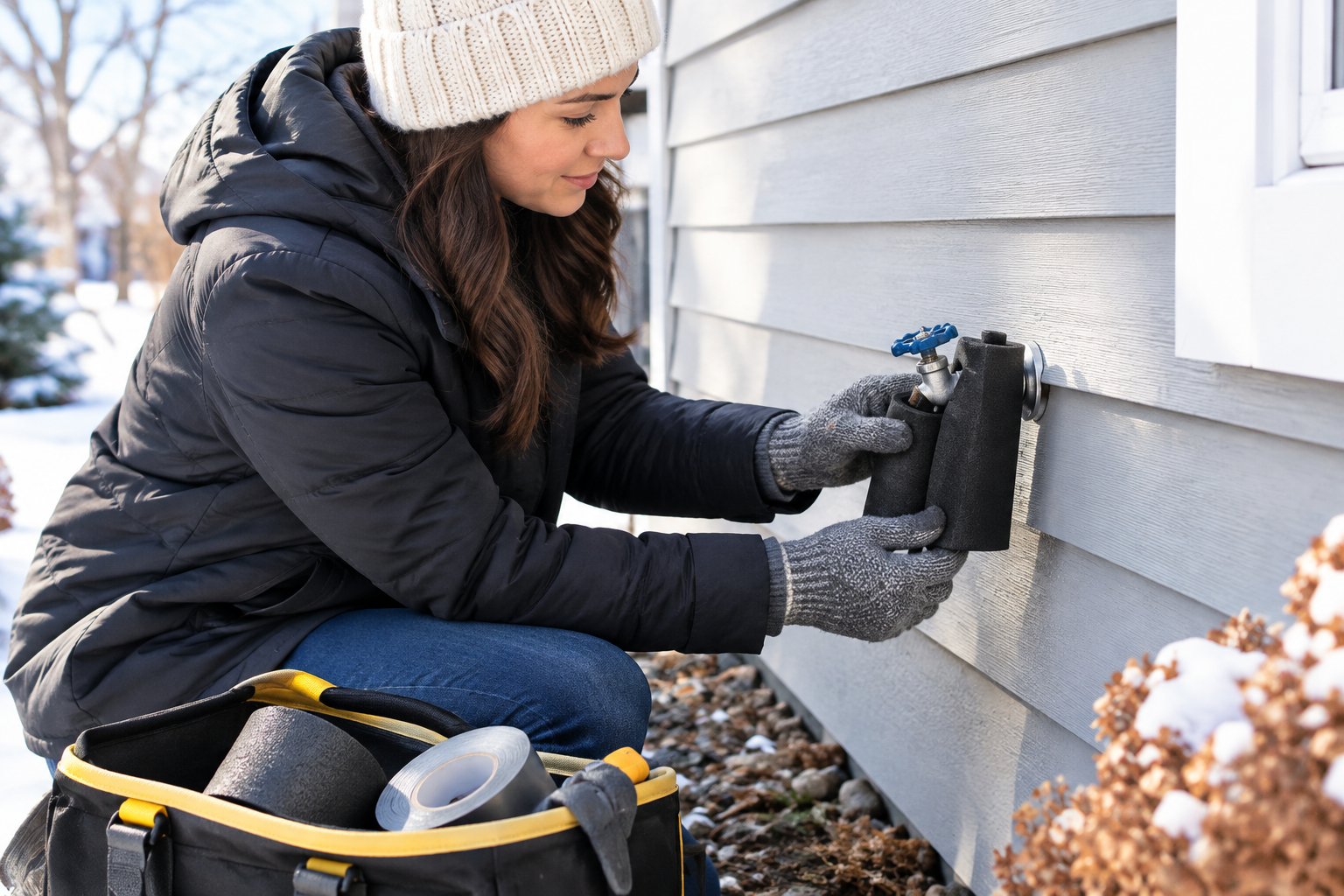
Exterior water lines and vulnerable plumbing should be protected before temperatures fall below freezing.
Frozen pipes can create an expensive and disruptive problem for homeowners.
Wisconsin DHS recommends insulating water lines along exterior walls and addressing outdoor water lines as part of winter preparation.
Before freezing weather arrives, make sure exterior faucets are properly winterized and know where your home's main water shutoff is located.
It is also worth checking areas where pipes may be exposed to cold temperatures, such as garages, crawl spaces, unfinished basements, or along exterior walls.
Fall To-Do:
- Disconnect and properly winterize outdoor hoses.
- Protect vulnerable exterior water lines.
- Check plumbing near exterior walls.
- Know where your main water shutoff is located.
- Ask a professional about any plumbing that concerns you.
Have You Checked Your Basement for Moisture?
Fall is a good time to check your basement for signs of moisture before winter and spring thaw put additional stress on the property.
Walk through the basement and look for water stains, damp areas, musty odors, peeling materials, visible cracks, or other signs that deserve attention.
Pay particular attention to corners, foundation walls, window wells, utility areas, and unfinished spaces.
If you discover something unusual, do not automatically assume it is a major structural problem.
Instead, identify it, document it, and determine whether a qualified professional should evaluate it.
Fall To-Do:
- Check foundation walls.
- Inspect basement windows and window wells.
- Look for water stains.
- Watch for musty odors.
- Check around plumbing and utility areas.
- Address known leaks or moisture problems.
Is Your Fireplace and Chimney Ready to Use?
If you plan to use your fireplace or wood stove this winter, have the chimney or flue inspected as recommended.
There is something especially appealing about a warm fireplace when the snow starts falling.
But before you make it part of your winter routine, make sure the system is properly maintained.
Wisconsin DHS recommends annual chimney or flue inspections for homes using fireplaces or wood stoves for heating.
This is also a good time to check smoke and carbon monoxide detectors and make sure you have appropriate fire-safety equipment.
Fall To-Do:
- Schedule a chimney or flue inspection when appropriate.
- Have the fireplace cleaned if needed.
- Test smoke detectors.
- Test carbon monoxide detectors.
- Keep a fire extinguisher readily available.
Have You Checked Trees and Branches Around Your Home?
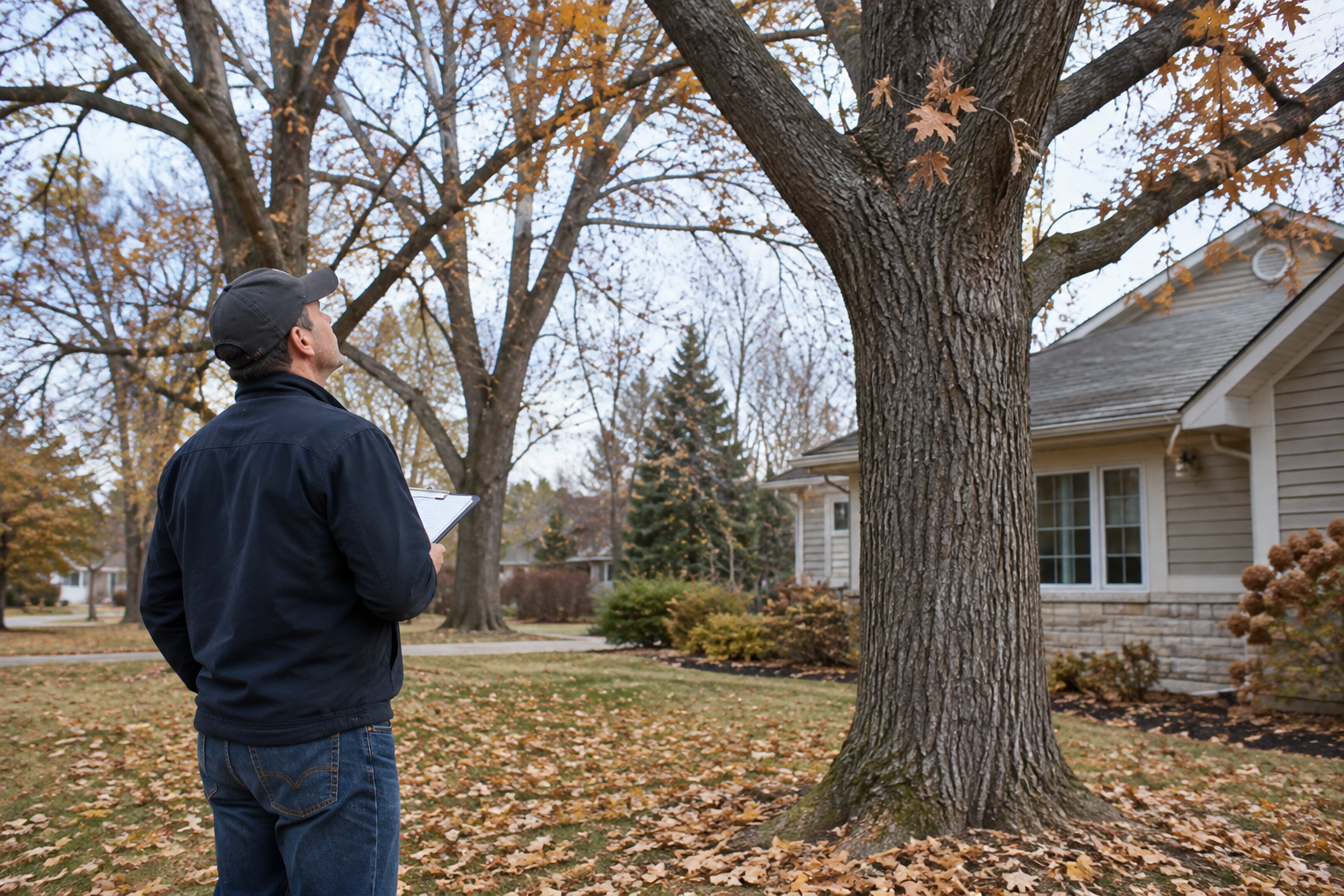
Fall is a smart time to identify trees and branches that could create a problem during a winter storm.
Snow and ice can add substantial weight to branches.
Walk around your property and look for dead, damaged, or overhanging branches near the home, garage, driveway, utility areas, and other structures.
Wisconsin DHS recommends cutting away branches that could fall on your home or other structures during a storm.
If a tree or large branch appears hazardous, consider having it evaluated by an appropriate tree professional.
Fall To-Do:
- Inspect mature trees around the property.
- Look for dead or damaged branches.
- Check branches near the roof.
- Check trees near driveways and walkways.
- Address potential hazards before major winter storms.
Are Your Driveway and Walkways Ready for Snow and Ice?
Your driveway and walkways should be evaluated with snow, ice, and shorter winter daylight in mind.
Here is a simple exercise.
Stand outside your home and imagine the property covered in several inches of snow.
Where will you park?
Where will snow be pushed or stored?
Are there areas where water could freeze?
Are your walkways adequately lit?
Wisconsin DHS recommends preparing items such as snow shovels, roof rakes, and traction materials before winter weather arrives.
You may also want to inspect cracks, uneven sections, drainage areas, and exterior lighting before winter sets in.
Fall To-Do:
- Check driveway and walkway condition.
- Inspect exterior lighting.
- Identify where snow will be stored.
- Make sure you have a snow shovel or snow blower.
- Stock appropriate traction materials.
- Address significant trip hazards.
Have You Tested Your Smoke and Carbon Monoxide Detectors?
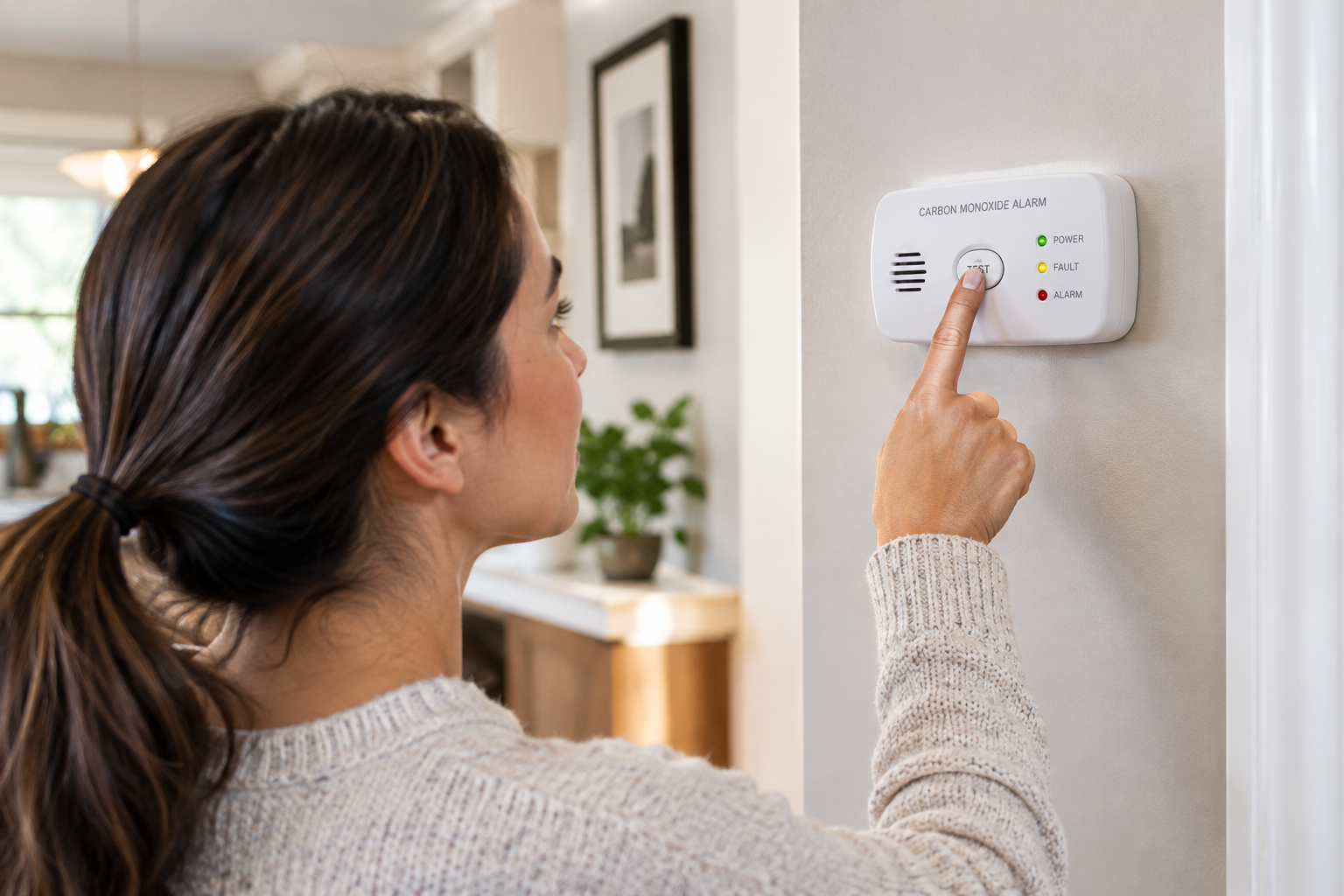
Smoke and carbon monoxide detectors should be tested before winter and maintained throughout the year.
Winter means more time indoors and greater reliance on heating systems and other equipment.
Wisconsin DHS recommends installing smoke and carbon monoxide detectors, testing them monthly, and replacing batteries twice a year.
Take a few minutes this fall to walk through the home and make sure detectors are present where appropriate, functioning properly, and easy to identify.
If your home uses fuel-burning appliances or a fireplace, carbon monoxide protection is especially important.
Fall To-Do:
- Test smoke detectors.
- Test carbon monoxide detectors.
- Replace batteries as needed.
- Check detector placement.
- Replace outdated units according to manufacturer guidance.
Do You Have Your Winter Emergency Supplies Ready?
Every Hudson homeowner should have basic supplies available before the first major winter storm.
A winter storm can bring more than snow.
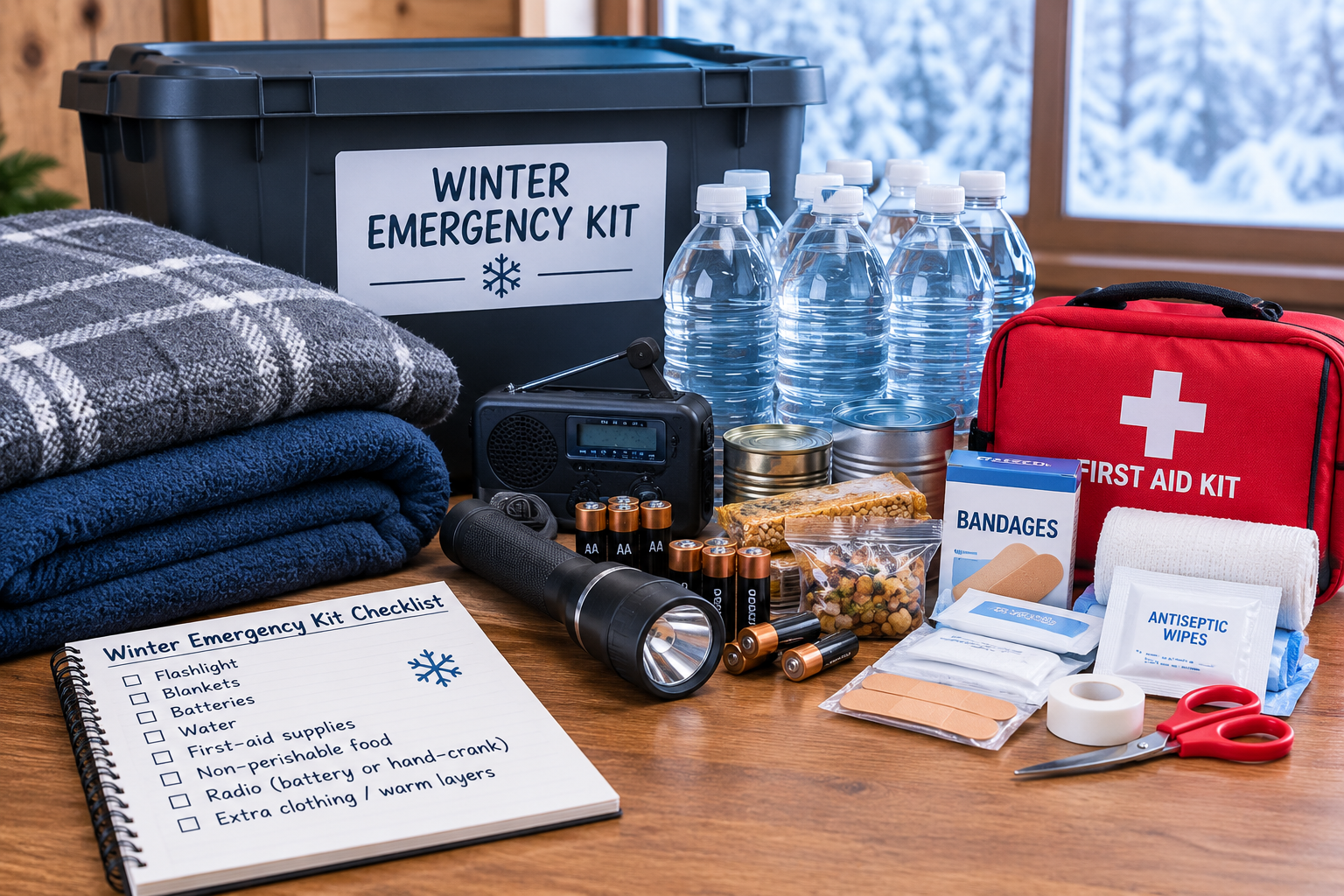
Wisconsin DHS recommends preparing for situations involving power outages, extreme cold, and difficult travel conditions. Its winter preparedness guidance includes supplies such as food, water, flashlights, batteries, blankets, first-aid materials, and equipment for snow and ice.
You do not need to turn your basement into a survival bunker.
The goal is simply to make sure you have the basics before you need them.
Fall To-Do:
- Keep several days of nonperishable food available.
- Store drinking water.
- Check flashlights and batteries.
- Keep blankets available.
- Have a first-aid kit.
- Make sure you have snow-removal equipment.
- Keep your phone chargers and backup power supplies ready.
- Know how to shut off your home's water if necessary.
Why Should Hudson Homeowners Start Winter Preparation in the Fall?
Fall gives you a valuable window to address home maintenance before freezing temperatures, snow, and ice make problems harder to solve.
Wisconsin DHS specifically identifies fall as an appropriate time to begin winterizing your home and recommends taking steps such as checking heating systems, protecting water lines, addressing drafts, inspecting chimneys, repairing roof leaks, and managing hazardous tree branches.
Think of fall maintenance as an investment in fewer surprises.
You are not trying to make your home perfect.
You are trying to identify the things that should be handled before winter turns a small maintenance item into a much bigger inconvenience.
The goal is simple: prepare now so you can enjoy your home when the snow arrives.
How Can Johnson Home Group Help Hudson Homeowners?
Johnson Home Group can help homeowners think about their property not only as a place to live, but also as an important long-term investment.
That means understanding the condition of your home, staying aware of maintenance considerations, and knowing how today's decisions could affect your options in the future.
If you are considering a renovation, wondering whether your current home still fits your lifestyle, or simply curious about your options, a conversation with a local real estate professional can provide useful perspective.
For homeowners in Hudson, the Twin Cities, and surrounding communities, Johnson Home Group can help you understand the real estate side of those decisions when you are ready.
How Does an AI-Certified Agent Help Hudson Homeowners?
An AI-Certified Agent can use technology to organize information, streamline research, improve communication, and help make the real estate process more efficient.
At Johnson Home Group, AI-supported tools can help organize information, research properties and neighborhoods, streamline communication, and save clients time.
But technology is only part of the equation.
Local knowledge, real-world experience, and personal guidance still matter.
For homeowners considering a future move, that combination can make it easier to gather information, explore possibilities, and understand the options available to you.
Final Thoughts: Is Your Hudson, WI Home Ready for Winter?
Winter preparation does not have to be overwhelming.
Start with the basics:
- Check your furnace and heating system.
- Seal obvious drafts around doors and windows.
- Clean and inspect your gutters and downspouts.
- Look over your roof for damage or leaks.
- Think about potential ice-dam concerns.
- Protect pipes and outdoor faucets.
- Check your basement for moisture.
- Have your fireplace and chimney evaluated when appropriate.
- Inspect trees and branches around your property.
- Prepare your driveway and walkways for snow and ice.
- Test smoke and carbon monoxide detectors.
- Build a basic winter emergency supply kit.
According to Wisconsin DHS, preparing your home before winter weather arrives can help you stay safer and more comfortable during extreme cold and winter storms.
And remember, you do not have to do everything at once.
Pick a weekend. Work through the list. Call a professional when something requires expertise. Then enjoy the confidence that comes from knowing you prepared before the first major snow.
Not sure whether your Hudson, WI home is still the right fit for your next chapter?
Connect with Johnson Home Group to talk through your home's value, your options, and what your next move could look like.
Frequently Asked Questions
When should I start preparing my Hudson, WI home for winter?
Fall is an ideal time to begin preparing your home for winter. Wisconsin DHS recommends taking steps such as checking your furnace, protecting water lines, sealing drafts, inspecting chimneys, repairing roof leaks, and addressing hazardous tree branches before winter weather arrives. Starting early also gives you more time to schedule contractors if repairs are needed.
What should I do to my house in the fall before winter?
Start with the systems that become especially important during cold weather. Check your heating system, roof, gutters, windows, doors, pipes, basement, chimney, trees, driveway, and exterior lighting. You should also test smoke and carbon monoxide detectors and make sure basic winter emergency supplies are available.
How do I prepare my pipes for winter in Wisconsin?
Protect exposed or vulnerable water lines from freezing temperatures. Wisconsin DHS recommends insulating water lines along exterior walls and addressing exterior water lines before winter. Homeowners should also properly winterize outdoor faucets and know where the main water shutoff is located.
How can I prevent ice dams on my Hudson, WI home?
Start by addressing sources of warm-air leakage into the attic and evaluating insulation and air sealing. The Minnesota Department of Commerce explains that warm air leaking into an attic can contribute to snowmelt and ice-dam formation. If your home has recurring ice dams, a qualified home-performance professional can help identify potential air leaks and insulation issues.
What should I have ready for a Wisconsin winter storm?
Have basic food, water, lighting, heating, snow-removal, and emergency supplies available before a storm arrives. Wisconsin DHS recommends supplies including nonperishable food, water, flashlights, batteries, blankets, first-aid materials, snow shovels, roof rakes, and traction materials. Preparing ahead of time can make a winter power outage or major storm easier to manage.n
Recent Posts










"Thanks for reaching out to The Johnson Group! We're here to guide you and provide all the real estate info you need along the way. Your dream home might be just a click away, and we're delighted to be a part of your real estate adventure!"